
Last updated November 21, 2026
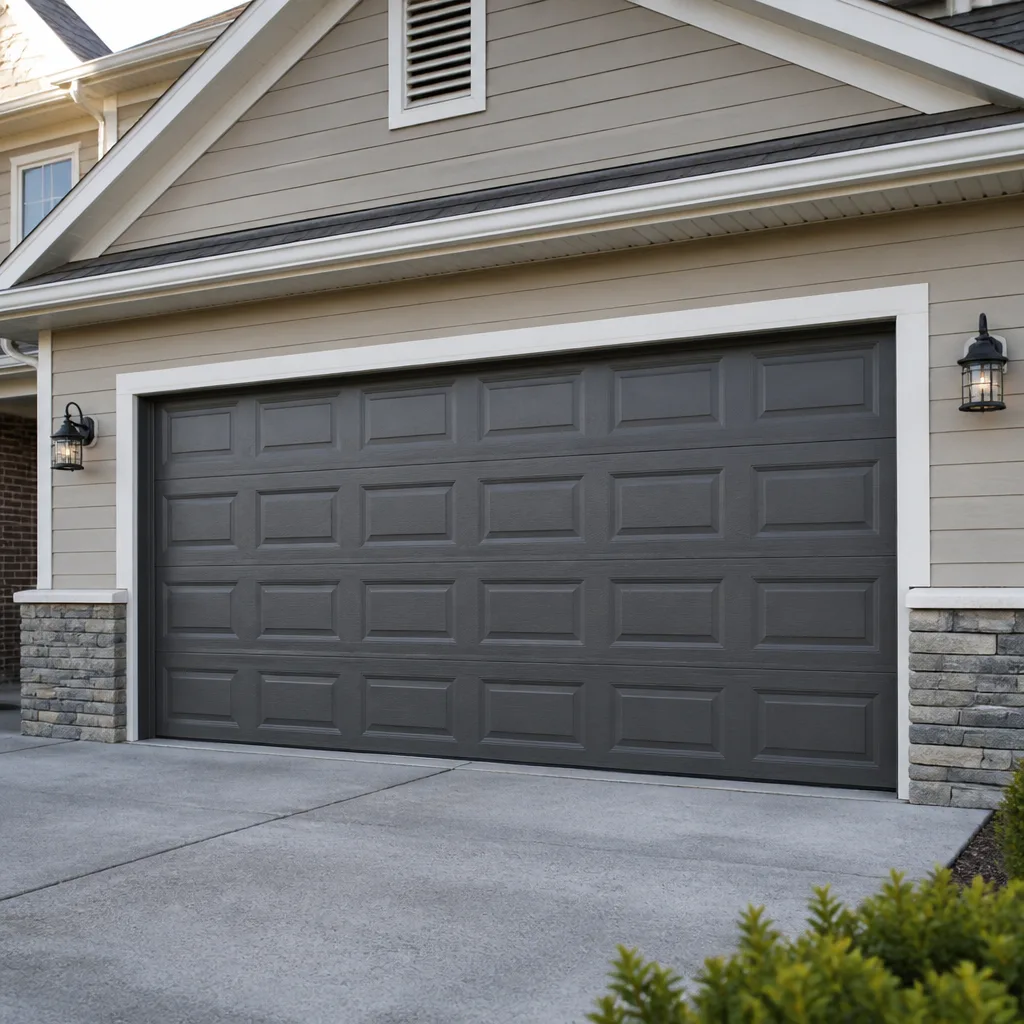 Raised-panel steel
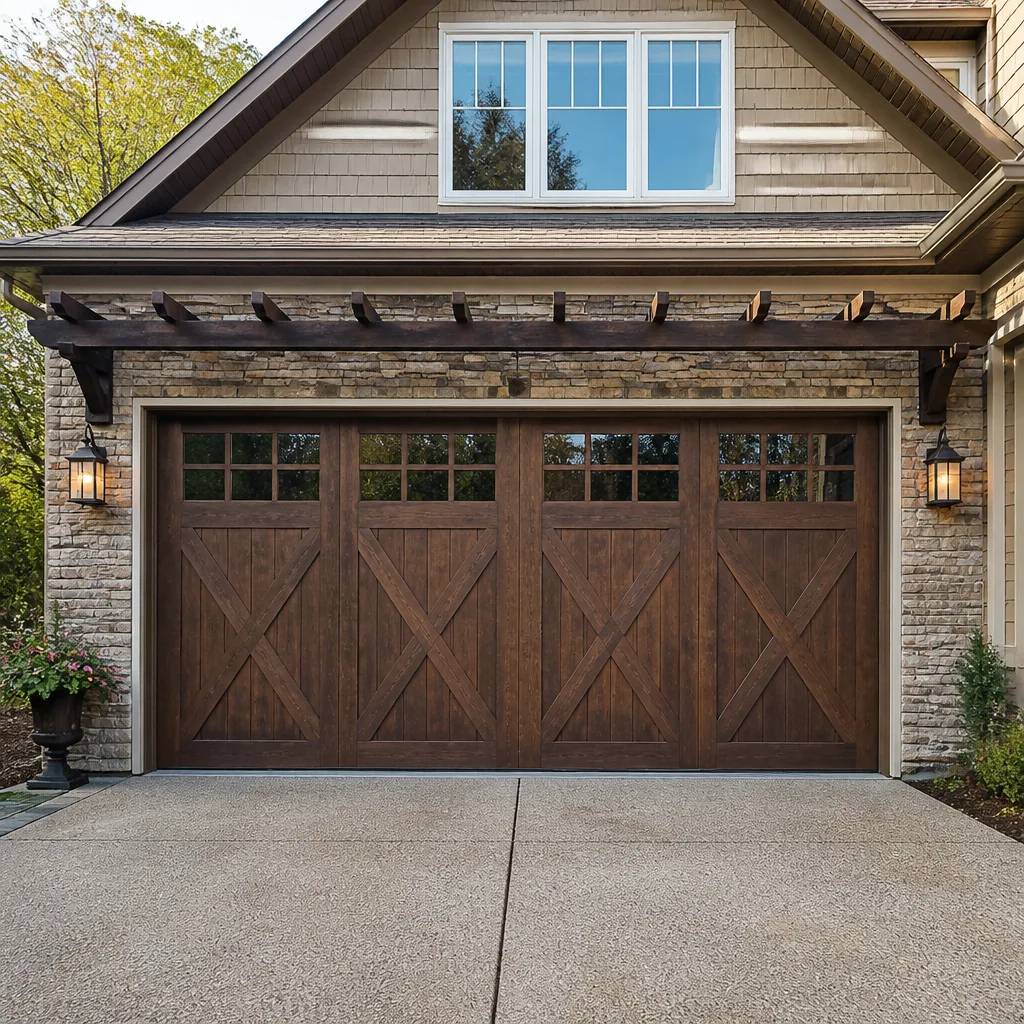 Carriage house
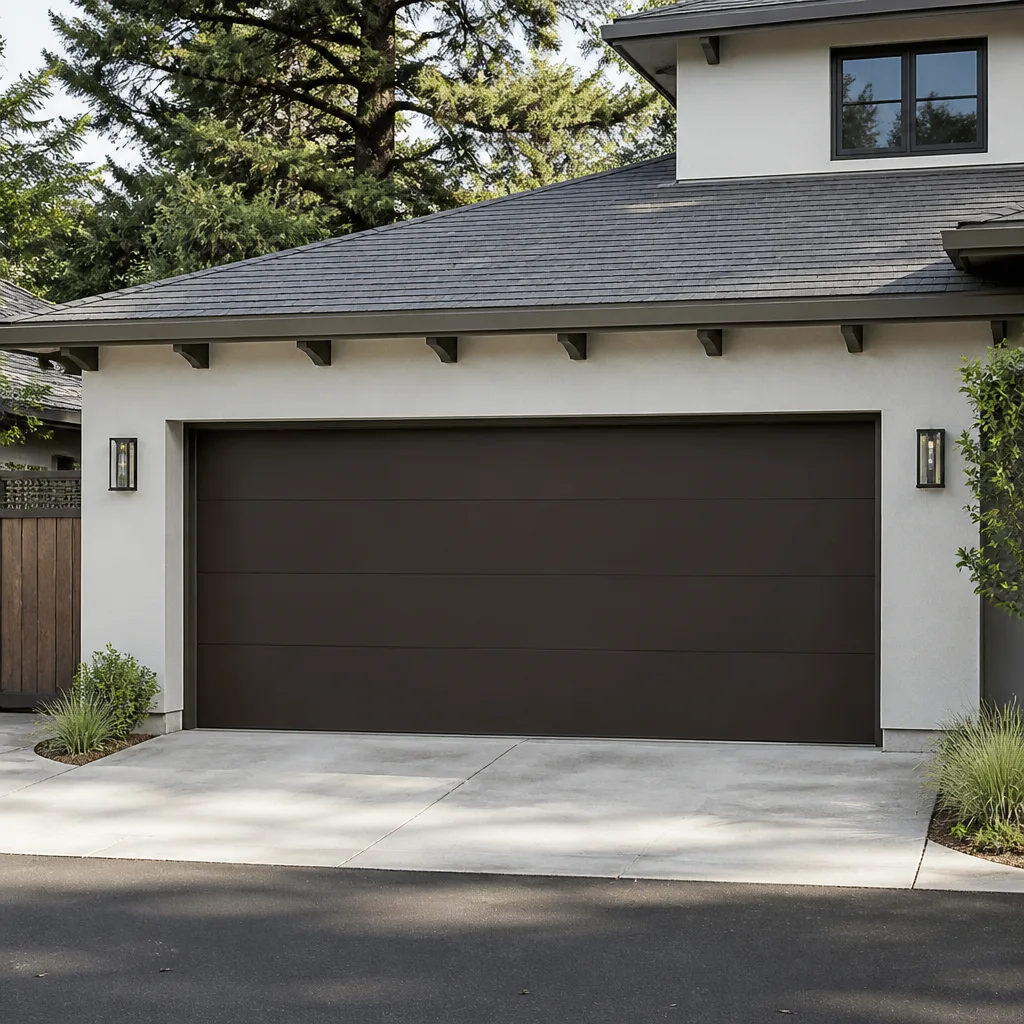 Modern flush
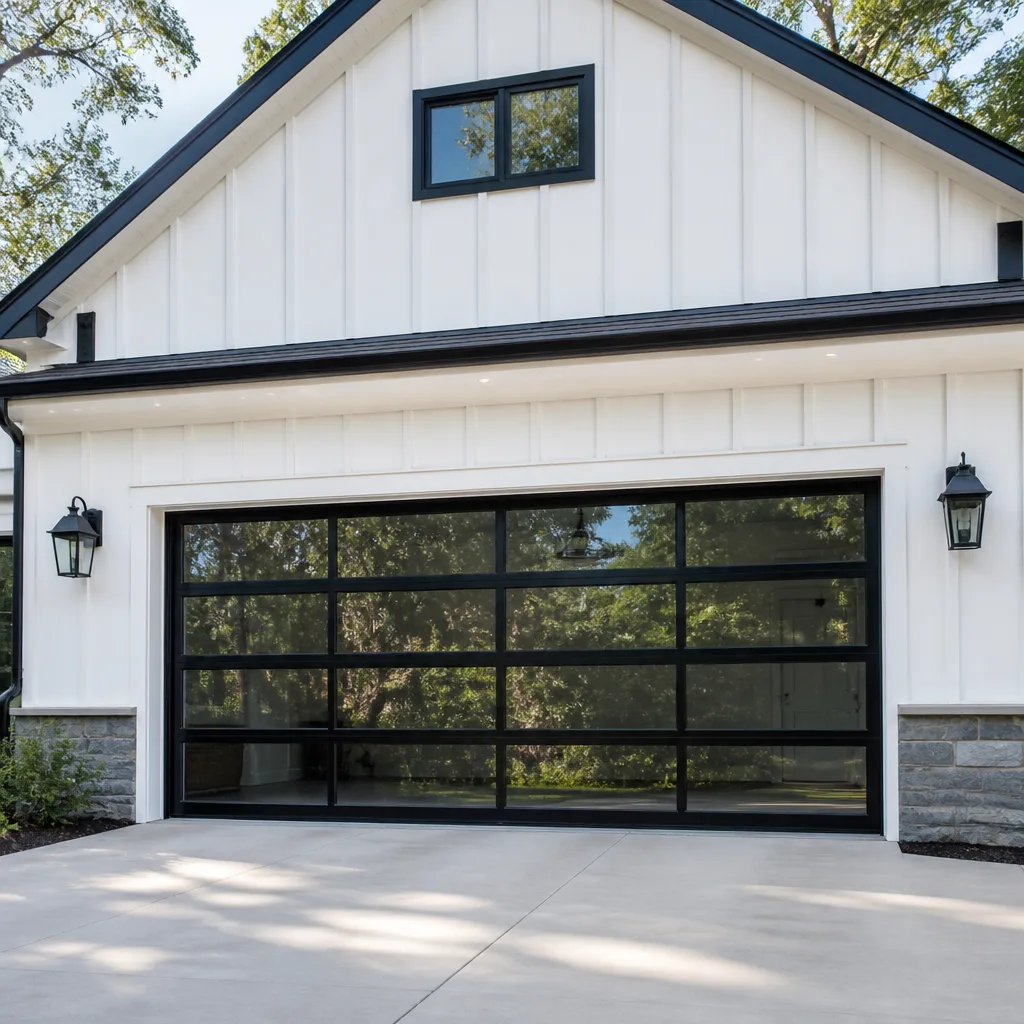 Full-view glass
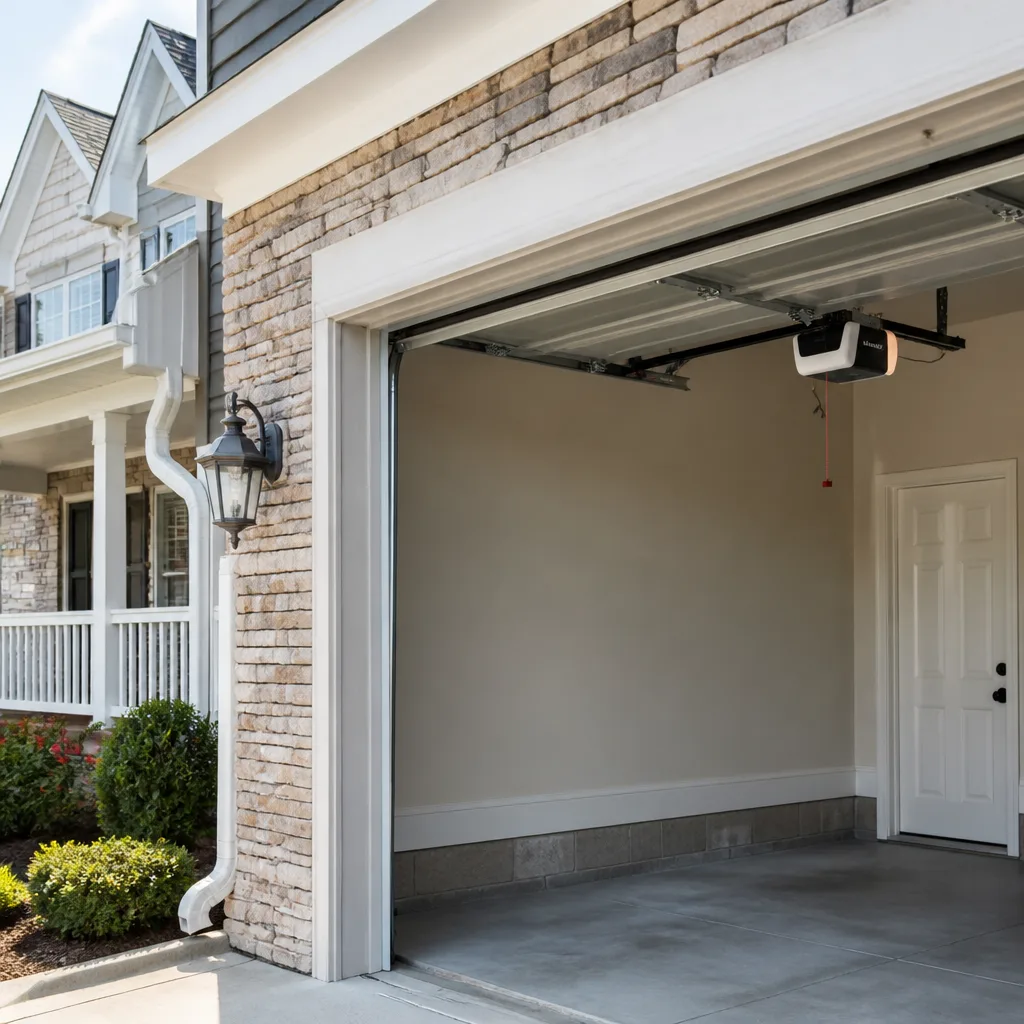 LiftMaster openers
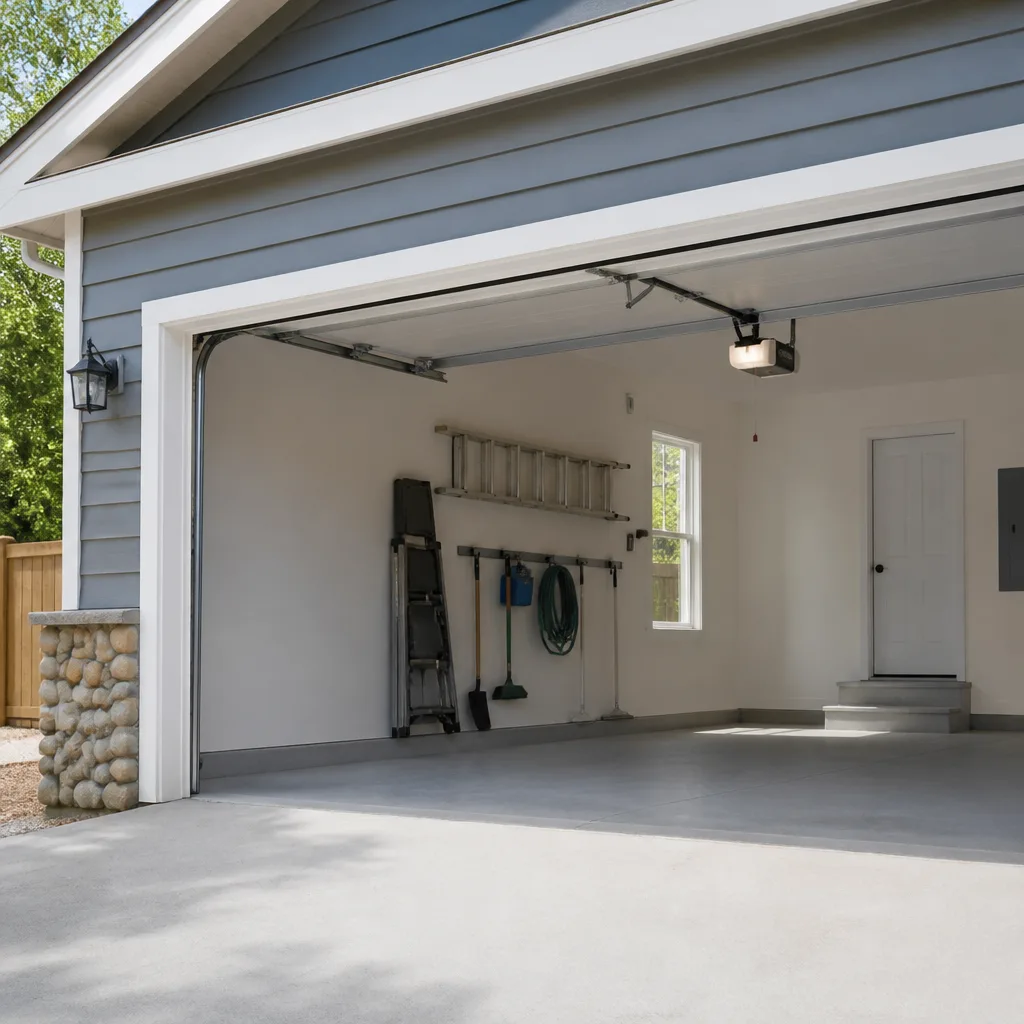 Chamberlain openers
Full 25-point door and opener safety check with every visit - springs, cables, rollers, tracks, and your LiftMaster or Chamberlain opener included
You get a price before we start. It does not change when the pro arrives.
Get your free estimateDIY vs Professional Garage Door: The Kendall Homeowner’s Decision Guide
Replacing a bottom weatherseal is a legitimate Saturday afternoon task. Adjusting torsion spring tension on a Miami-Dade rated door without documentation is not, and the reason has less to do with injury risk than most homeowners expect. In Kendall, a garage door isn’t only an entry point; on impact-rated assemblies it’s a rated component of the building envelope, and how it’s adjusted, balanced and documented matters when a hurricane claim gets reviewed. This guide draws a clear line between the jobs you can safely and legally handle yourself and the ones that need a trained technician. You’ll get a task-by-task classification, the correct product specs for South Florida conditions, the insurance and warranty realities, and what to tell a technician if you’ve already tried a repair.
Quick Answer
In Kendall, weatherseal replacement, lubrication, photo-eye alignment, remote reprogramming and visual inspections are safe, warranty-safe DIY jobs. Torsion and extension spring work, cable replacement, panel replacement on impact-rated doors, track realignment and opener motor or logic board repair should go to a trained professional, because spring calibration affects the door’s rated wind resistance and unpermitted structural changes can complicate insurance and warranty coverage. When in doubt, a free written estimate is cheaper than a voided NOA.
Styles & brands we work with
- Raised-panel steel
- Carriage house
- Modern flush
- Full-view glass
- LiftMaster openers
- Chamberlain openers
Table of Contents
- The DIY Task Classification for Kendall Homes
- Why Torsion Spring Work Isn’t a DIY Job in Florida
- Legitimate DIY Maintenance, Done Right for South Florida
- Insurance and Warranty Impacts on Impact-Rated Doors
- Brand-Specific Considerations Before You Touch Anything
- What to Tell a Technician After a Failed DIY Attempt
- The Real Cost Math of DIY Versus Professional
- Common Mistakes to Avoid
- When to Call a Professional
- Frequently Asked Questions
The DIY Task Classification for Kendall Homes
Not every garage door repair is created equal. The useful split isn’t “easy versus hard” but “safe and code-legal versus neither.” Here’s how the jobs break down for a typical Kendall home.
Green light: safe, legal and warranty-safe DIY
- Lubrication of hinges, rollers, tracks and the opener rail
- Photo-eye alignment and lens cleaning on the opener’s safety sensors
- Remote and keypad reprogramming
- Bottom weatherseal replacement using the correct profile for your door
- Visual inspection of cables, springs, rollers and hinges for wear
- Light bulb replacement in the opener housing
- Tightening loose hinge and bracket bolts where they haven’t damaged the panel
Yellow light: possible DIY only if you’ve verified documentation
- Adjusting opener travel limits and force settings (fine if the door is not impact-rated)
- Replacing a single roller where the door is a standard, non-rated assembly
- Replacing a strut on a non-rated door with identical hardware
Red light: professional only
- Torsion and extension spring replacement or adjustment
- Cable replacement or rewinding
- Panel replacement on impact-rated assemblies
- Track realignment or replacement
- Opener motor, gear, capacitor or logic board repair
- Wind-load reinforcement installation
- Any modification to a door’s labeled rating
If you’re not sure which category your job falls into, that’s usually a sign to get a free estimate before you start. Our garage door repair service covers the full range, and the estimate is free. We also handle any part of the system that needs more than a tune-up.
Why Torsion Spring Work Isn’t a DIY Job in Florida
The common advice is that springs are dangerous. That’s true. A wound torsion spring is under enough tension to cause serious injury in an instant. But in Kendall and across Miami-Dade, there’s a second reason spring work belongs to a trained technician, and it’s the one most homeowners never hear about.
The physics problem
A torsion spring’s job is to counterbalance the door’s weight through the entire travel arc. The spring size, wire gauge, inside diameter and number of coils are calculated to match the door’s exact weight and height. When a spring is replaced with the wrong size, the door may open and close normally on a calm day while the counterbalance is actually off. That uneven load shows up on hinges, rollers, cables and the opener motor over time. It also means the door isn’t lifting evenly, which is where wind-resistance calibration starts to matter.
The rating problem
Impact-rated garage doors sold in Florida carry a product approval, typically a Notice of Acceptance (NOA) or a Miami-Dade product control number. That approval covers the door as a tested assembly with specific hardware, specific reinforcement and specific springs. A replacement spring of the wrong specification, or a spring installed without the reinforcement the approval calls for, can leave the door functioning while no longer matching its tested configuration. When a hurricane claim gets reviewed after a loss, the adjuster looks at the assembly. A door that doesn’t match documentation invites questions.
The documentation problem
Professional spring replacement produces a paper trail: spring specification, door model, reinforcement status. That trail matters for insurance and resale. A homeowner with a spring replaced from a box store has a functioning door and no paperwork.
This is why garage door spring repair is a specialist job, not a general one. Our technicians have up to 10 years of experience with high-tension systems, and we replace springs to specification, not to whatever fits. If your door is stuck and won’t move, call us before you start prying.
Legitimate DIY Maintenance, Done Right for South Florida
Here’s the good news: the maintenance that actually extends your door’s life is entirely within reach. The key is doing it with the right products for our climate.
Lubrication: the right product matters
Kendall winters are mild and summers are humid. That humidity is the enemy of standard grease, which traps grit and turns into a sticky paste that accelerates roller wear. Use a silicone-based or lithium-complex lubricant formulated for high-humidity conditions. Apply it to:
- Hinge pivots (a drop at each joint, not a spray)
- Roller stems and bearings
- The torsion spring coils (a light coating, not a soak)
- The opener rail (a light wipe, nothing more)
Skip the track. Grease on the track attracts dust and grit that grinds the rollers. Wipe the track clean with a dry cloth instead.
Photo-eye alignment: the five-minute fix
- Locate the two sensors mounted near the floor on each side of the door
- Check that the LED on each sensor is lit solid (not blinking)
- Wipe the lens with a dry microfiber cloth
- If the LED is blinking, gently adjust the sensor until it lines up with its partner
- Test by closing the door and passing an object through the beam
If the LED stays dark after cleaning and alignment, the sensor itself has failed or the wiring has an issue. That’s a call.
Weatherseal replacement: the South Florida profile
The bottom weatherseal is the most common failure point on Kendall doors because heat and humidity break down the vinyl faster than in drier climates. Replace it with a seal rated for high-humidity exposure, and make sure the replacement matches your door’s aluminum retainer profile. A seal that doesn’t seat fully lets water and pests in at the corners, and it can bind against the floor, which forces the opener to work harder than it should. If your door is a Clopay or Amarr model, check the retainer type before you buy. Most big-box seals won’t fit a non-standard retainer.
Remote and keypad reprogramming
This is genuinely a homeowner job. On LiftMaster and Chamberlain openers, the learn button is on the motor housing and the process takes under a minute with the manual in hand. If you’ve lost the manual, the manufacturer posts it online by model number. Reprogramming doesn’t touch the door’s rated configuration, so there’s no code or warranty concern here.
Insurance and Warranty Impacts on Impact-Rated Doors
This is the section most DIY guides skip, and it’s the one that matters most in Kendall. If your garage door carries a Miami-Dade NOA or a Florida product approval, the door is a rated component of your home’s wind-load defense. What you do to it, and whether you can document it, affects both your warranty and your insurance posture.
What voids coverage
- Replacing a panel with a non-rated or mismatched component. The assembly is approved as a whole; a panel swap breaks that.
- Removing or altering wind-load reinforcement without the manufacturer’s configuration.
- Replacing springs without matching the door’s specified weight and size, which changes how the door lifts and seats under load.
- Modifying the door in a way that changes its labeled rating without an updated approval.
- Removing warning labels, which door manufacturers attach as part of the approved product.
What doesn’t void coverage
- Lubrication, cleaning and visual inspection
- Weatherseal replacement with a matching-profile seal
- Photo-eye alignment and sensor cleaning
- Remote and keypad reprogramming
- Minor hardware tightening
What documentation matters
When you replace a spring or hardware on a rated door, keep the receipt with the spring specification on it. When you have a professional do it, ask for the specification in writing. If a hurricane claim gets reviewed years later, having that paper is the difference between a smooth conversation and a long one.
If your door’s rating status is unclear, a free estimate will sort it out. Our team works with rated assemblies from Clopay and Amarr among others, and we know what belongs on them. Call (844) 484-9800 for the estimate.
Brand-Specific Considerations Before You Touch Anything
Every garage door is not the same system, and the brand on your door determines what’s safe to adjust and what needs documentation. We’re factory-familiar with 8 major brands and we work on all of them, but there are patterns worth knowing before you start.
LiftMaster and Chamberlain
Both are Chamberlain Group brands, and they share most of their electronics architecture. Smart-home integration is heavy on these systems, and it’s where most DIY frustration happens. If your opener is app-connected and won’t respond to the remote, the fix is usually a Wi-Fi module reset, not a hardware repair. Reprogramming is legitimate DIY. Opening the logic board is not.
Craftsman
Craftsman openers, sold at Sears for decades, are now orphaned in many homes. Parts availability varies widely. If the garage door opener won’t close and the LED is blinking, the diagnosis is worth doing before you buy a replacement. Sometimes it’s a sensor, sometimes it’s the logic board, and the two look identical from the outside.
Raynor and Wayne Dalton
Both brands use proprietary track profiles and spring configurations on some models. The result is that generic aftermarket parts often don’t fit. If your door is a Raynor and you’re considering a hardware swap, check the model number against the manufacturer’s documentation first. A hardware swap that fits the track is not the same as a swap that fits the door’s rating.
We service garage door opener repair on all of these systems, and we arrive already familiar with the electronics.
What to Tell a Technician After a Failed DIY Attempt
There’s no shame in a failed repair. What matters is that the technician can see what’s been done so they don’t undo and redo work blindly, which is where your cost goes up. Here’s what to communicate, in order of importance.
- What you touched. Be specific. “I turned the adjustment screw on the left bracket” is more useful than “I tried to fix it.”
- What changed after. Did the door get louder, bind on one side, or stop fully closing? Those symptoms narrow the diagnosis fast.
- What parts you installed. Brand, part number and where it came from. If the spring came from a box store, we need to know because we’ll replace it with a spec spring.
- Whether you adjusted opener travel or force limits. Those settings affect how the door closes, and if they’re off, the door isn’t seating correctly under load.
- Whether you removed any labels or reinforcement. This matters for the rated assembly and for our documentation.
- Photos if you have them. A photo of the spring and the door’s bottom seal saves time on the assessment.
Understanding your setup before you attempt anything helps too. If your door has a wind-load rating label, note the model number and keep it accessible. If you ever need a full replacement, we handle Kendall Garage Door Repair Co‘s full door installation as well, so the process stays in one place.
The Real Cost Math of DIY Versus Professional
DIY saves money only when the job is done correctly, and it costs more when it isn’t. Here’s how the math actually works in Kendall for the jobs most homeowners consider doing themselves.
The jobs where DIY wins
- Lubrication: a can of silicone lubricant and 20 minutes
- Weatherseal replacement: a matching-profile seal plus basic hand tools
- Remote reprogramming: free
- Photo-eye alignment: free
- Light bulb replacement: a bulb
The jobs where DIY loses
- Spring replacement: a spring that’s off-spec by even one size will fail early or wear out the cables faster than the door should. You’ll pay twice.
- Opener repair: a misdiagnosed logic board is a replaced opener. That’s real money for a repair that could have been $30 in parts.
- Panel replacement on a rated door: a non-matching panel can void the assembly’s NOA and complicate an insurance claim. That’s a much bigger number than any repair.
- Track realignment: a track that’s out of plumb unbinds, and the door wears on the rollers and hinges until a repair becomes a replacement.
How our pricing works
We work per job, by written estimate. That means we quote before any work starts, and the written quote sets the final price. We don’t bill by the hour, and we don’t quote a number over the phone that we can’t stand behind on site. Emergency calls get the same pricing as scheduled calls: the written estimate governs. The estimate is free, so the cost of getting an answer is zero.
Call the phone line
One number, one team. Call (844) 484-9800. We answer 24/7. Fast dispatch from 7am to 7pm, Sunday through Friday. If a door fails on a Saturday, call and we’ll book you for the next opening.
Common Mistakes to Avoid
- Adjusting torsion spring tension by feel. Springs are calibrated to the door’s weight and height; guessing at the number of turns leaves the door out of balance and puts load on cables and hinges. A balanced door lifts evenly and seats fully; a door that lifts unevenly is a sign something is off.
- Installing a spring from a box store without matching the door’s spec. In Kendall, this is the most common DIY error, and it fails early because the spring isn’t sized for your door’s weight. The right spring is the one that matches your door, not the one that’s on the shelf.
- Greasing the tracks. Oil and grease on the track attract grit from our humid air and grind the rollers. Dry-wipe the tracks; lubricate the hinges and stems.
- Replacing a panel on a rated door with a generic one. A Clopay or Amarr panel that doesn’t match the approved assembly can void the NOA and complicate a claim. If the door is rated, the panel has to match.
- Disconnecting the photo-eye or removing the safety reverse. It’s a safety device, and on most openers, removing it disables the unit. Your kids and pets share the driveway.
- Adjusting opener travel or force limits without understanding them. Too much force masks a door that’s binding; too little causes nuisance reversals. If you change them, note the original settings.
- Ignoring a grinding or squealing sound until the door stops. In our experience, those sounds are cheaper to fix early. A roller that’s frozen will wear the hinge; a hinge that’s worn will stress the panel.
When to Call a Professional
Call a professional when the job involves tension, cable, panel replacement on a rated door, track geometry, or electronics you can’t diagnose from the outside. Also call if your door is stuck open, stuck closed, off its track, or making a noise you can’t place. If you’ve already attempted a repair and the door isn’t behaving, that’s a call too; we’d rather see the setup than guess at what you touched. Our garage door opener repair covers the electronics side, and our team is comfortable with the full range of residential systems including emergency situations. Kendall Garage Door Repair Co offers free estimates in Kendall, and call (844) 484-9800. We answer 24/7. Fast dispatch from 7am to 7pm, Sunday through Friday.
Frequently Asked Questions
No, not safely or in a way that protects your door’s rated configuration. Torsion and extension springs are under extreme tension and the replacement must match the door’s exact weight, height and hardware spec. In Kendall, where many doors carry a Miami-Dade NOA or product approval, a spring swap that doesn’t match the tested assembly can leave the door functional but no longer matching documentation. Call (844) 484-9800 for a free estimate.
It can if you modify a rated component. Spring replacement with a non-spec part, panel replacement with a non-rated part, or removal of wind-load reinforcement all change the tested assembly. Weatherseal replacement, photo-eye alignment, lubrication and remote reprogramming don’t. If you’re unsure which side of that line your job falls on, a free estimate will tell you. Call (844) 484-9800.
Look for a label on the door’s inner face or on the panel edge, usually with a Miami-Dade NOA number, a Florida product control number or a wind-load rating. If you can’t find one, check the door’s model number against the manufacturer’s documentation, or have us look at it during a free estimate. Clopay, Amarr, Raynor and Wayne Dalton are the most common rated brands in Kendall homes.
Lubrication, weatherseal replacement, photo-eye alignment and remote reprogramming. Those four cover most of what extends a door’s life, and none of them requires touching a tension system or electronics that could leave the door out of balance. Use a silicone or lithium-complex lubricant for our humid air, and a matching-profile bottom seal.
Yes. Tell us what you changed, what the door is doing now, what parts you installed, and whether you adjusted opener travel or force limits. Bring photos if you have them. Our technicians have up to 10 years of experience and will assess what’s been done before recommending anything. Call (844) 484-9800.
We service 8 major brands, including LiftMaster, Chamberlain, Craftsman and Raynor. It matters for DIY because some brands use proprietary track profiles and hardware, and aftermarket parts often don’t fit. Check your model number before you buy a part, or let us confirm the right one.
The Bottom Line
DIY garage door work has a clear boundary in Kendall: the maintenance tasks that don’t involve tension or rated assembly documentation are yours to handle, and the ones that do belong to a trained technician. Weatherseal, lubrication, sensor alignment and remote programming are safe and worth doing. Spring work, cables, panel replacement on rated doors and track geometry are not. The cost math favors reading the label and calling when the job touches anything rated. If your door is stuck, off-track, noisy or making a sound you can’t place, we can look at it. Call (844) 484-9800 for a free estimate. We answer 24/7. Fast dispatch from 7am to 7pm, Sunday through Friday.
Written by the team at Kendall Garage Door Repair Co.
See the difference
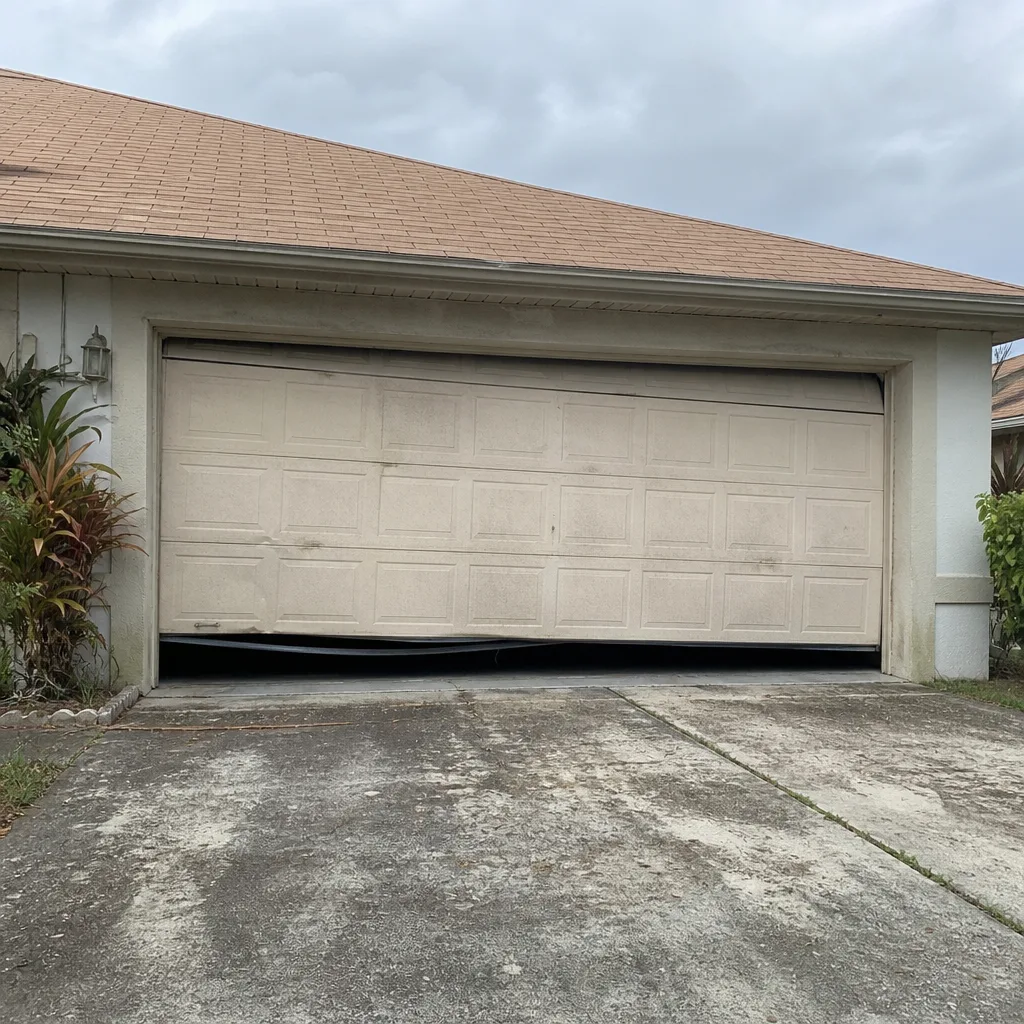 Before
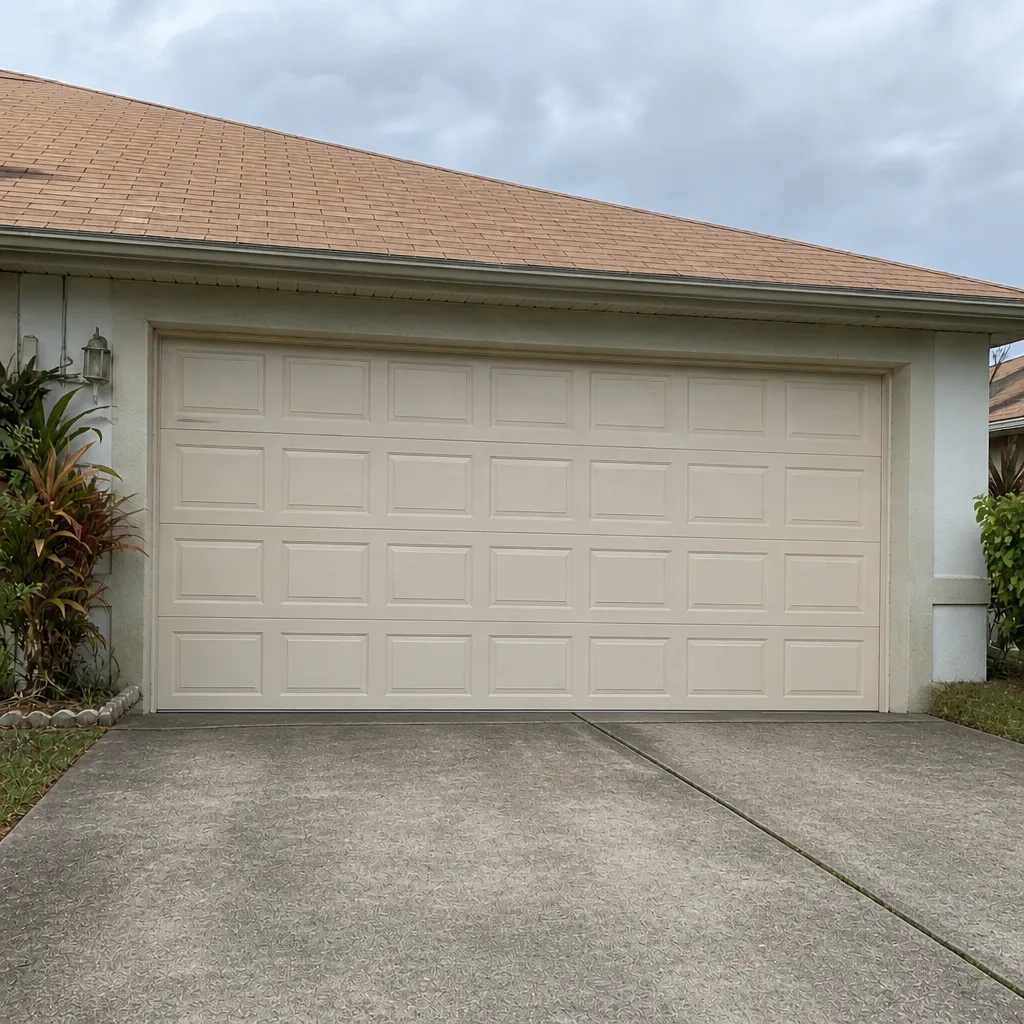 After
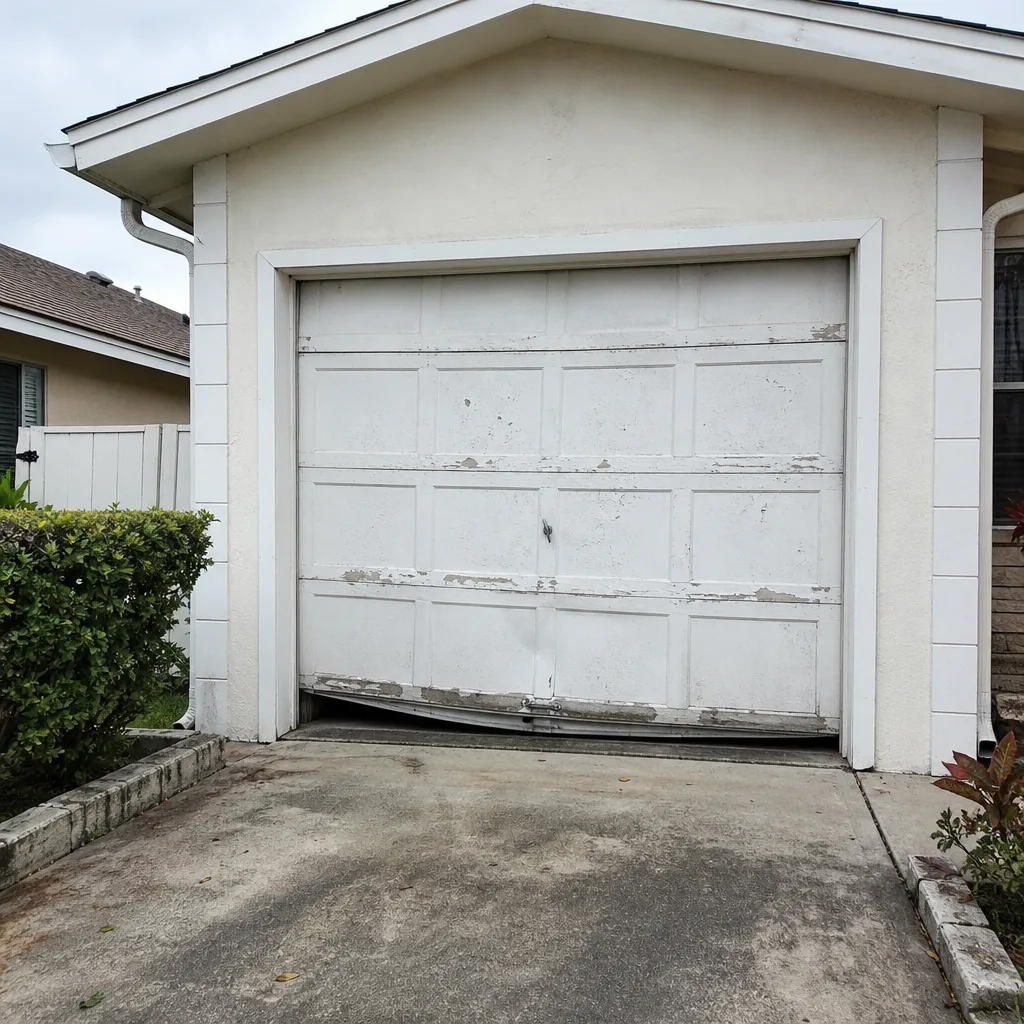 Before
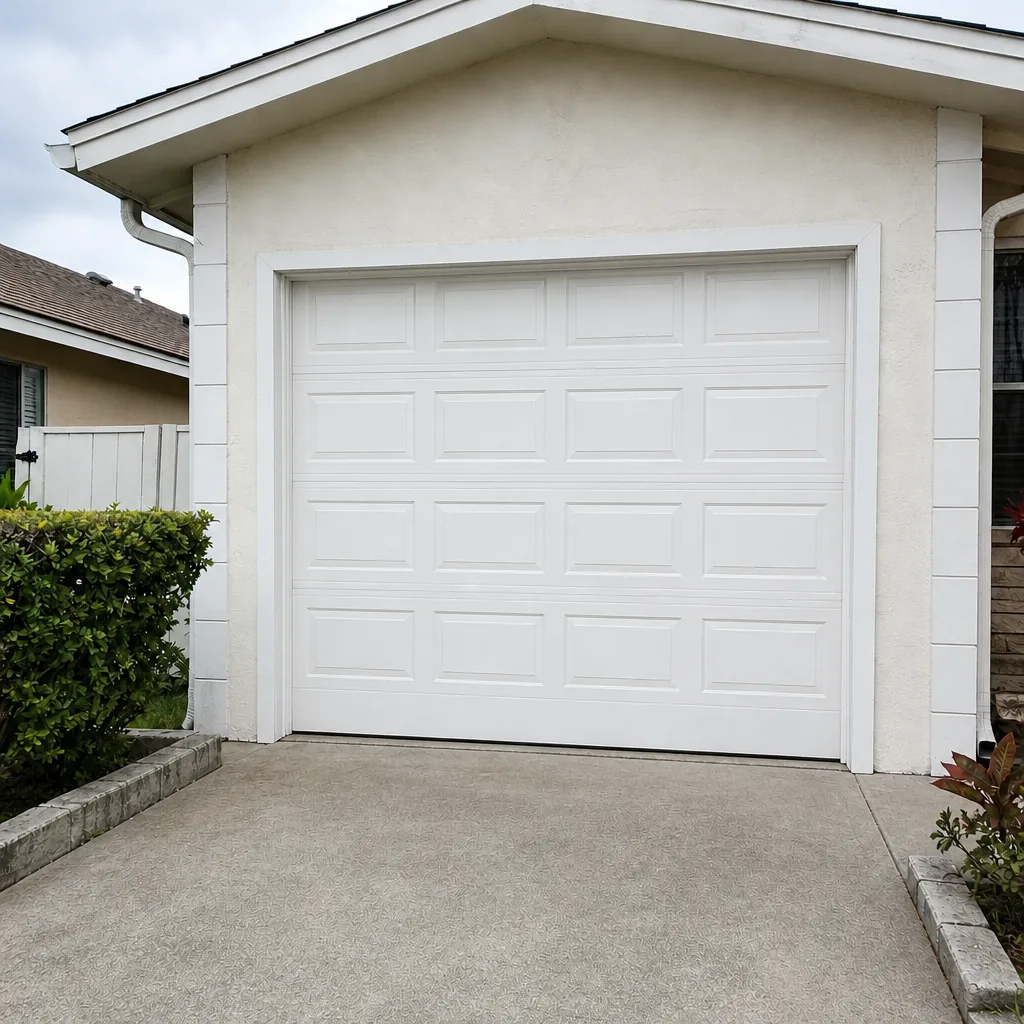 After
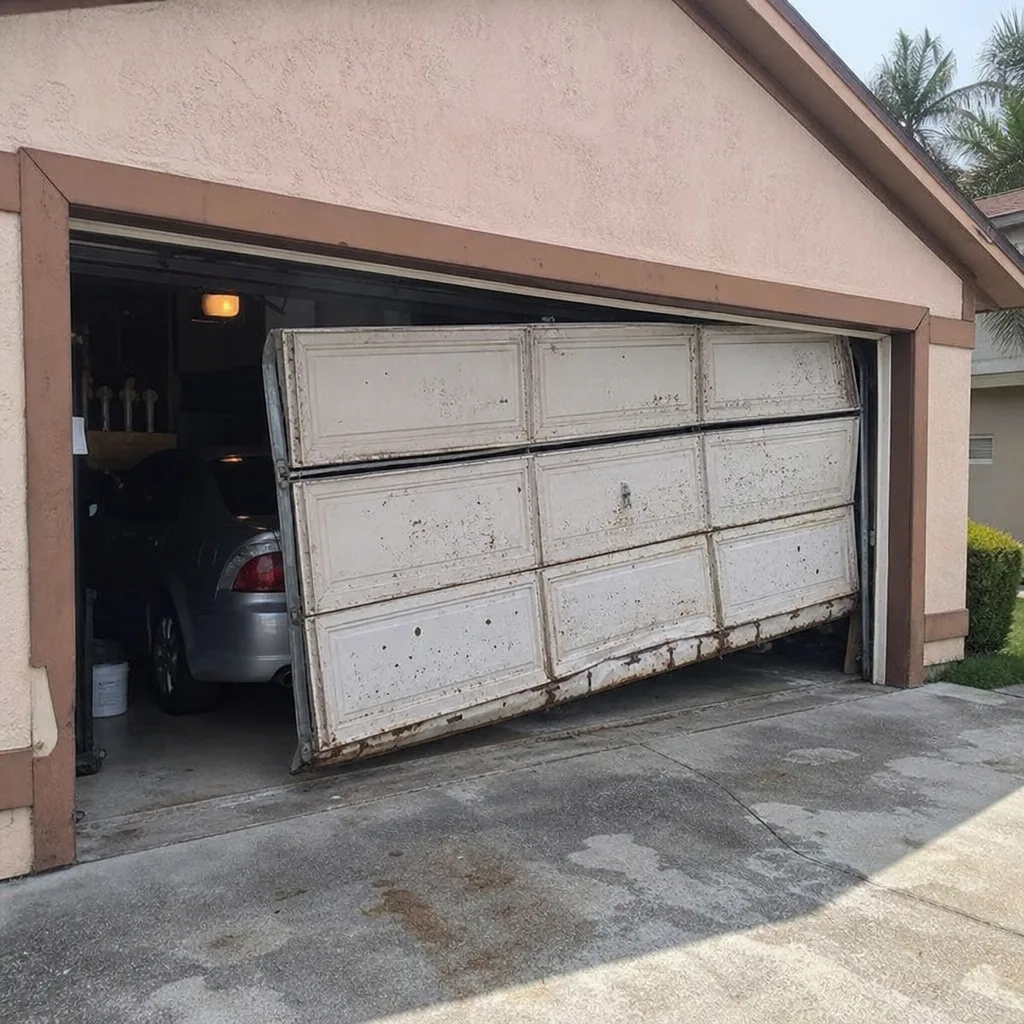 Before
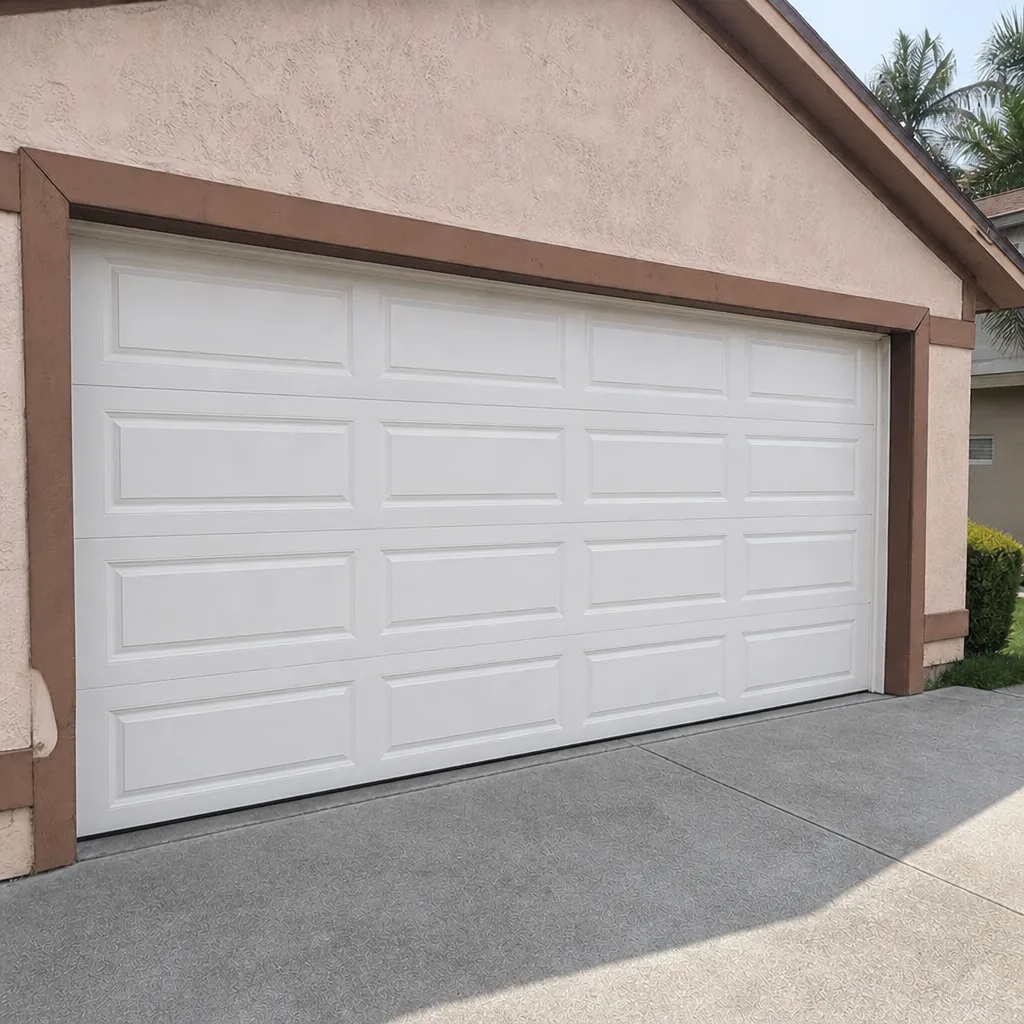 After