
Last updated November 21, 2026
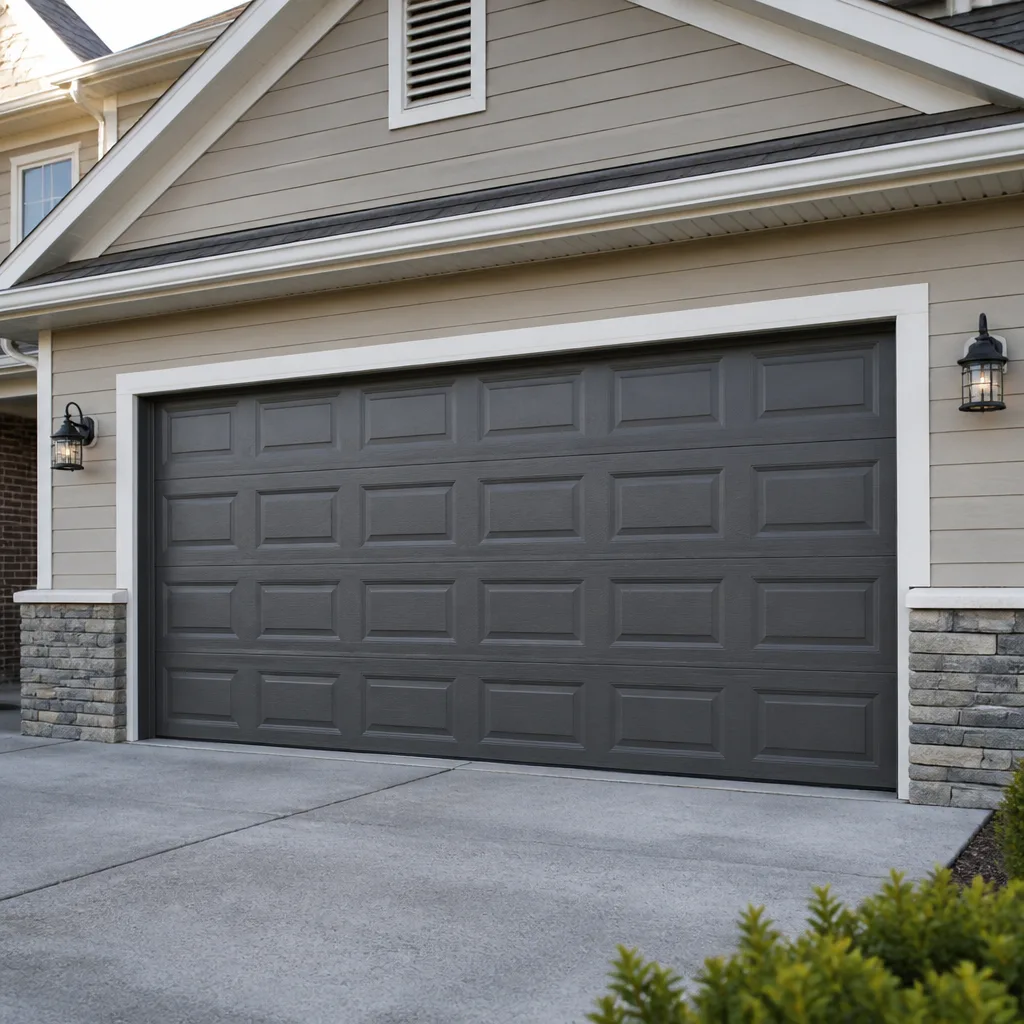 Raised-panel steel
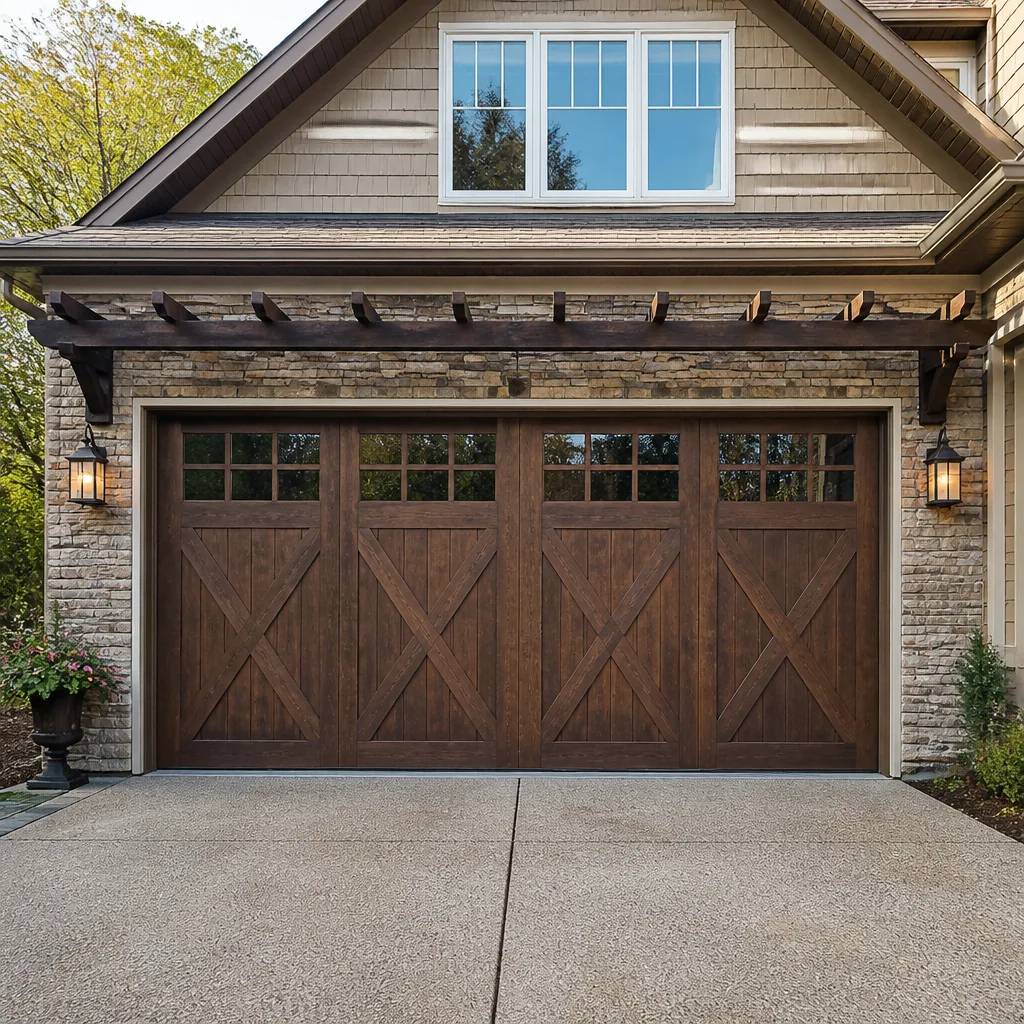 Carriage house
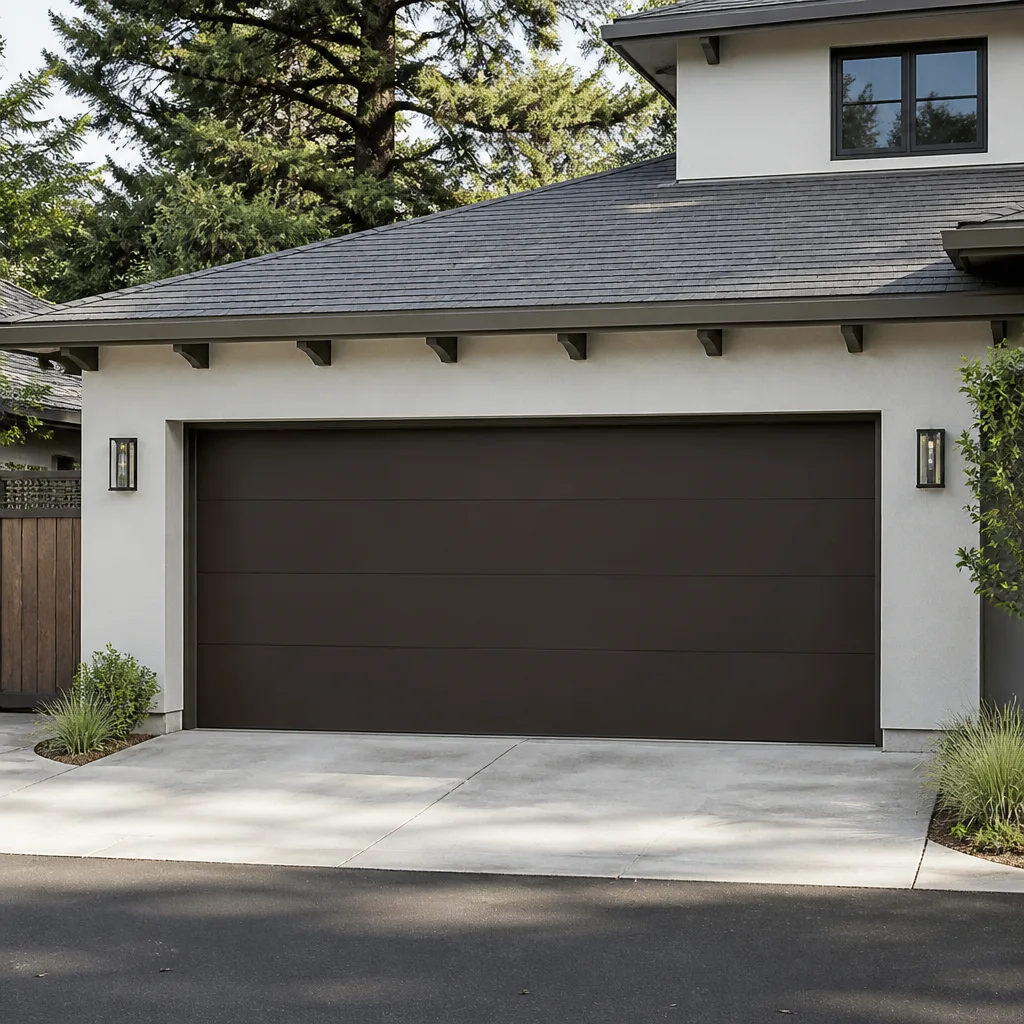 Modern flush
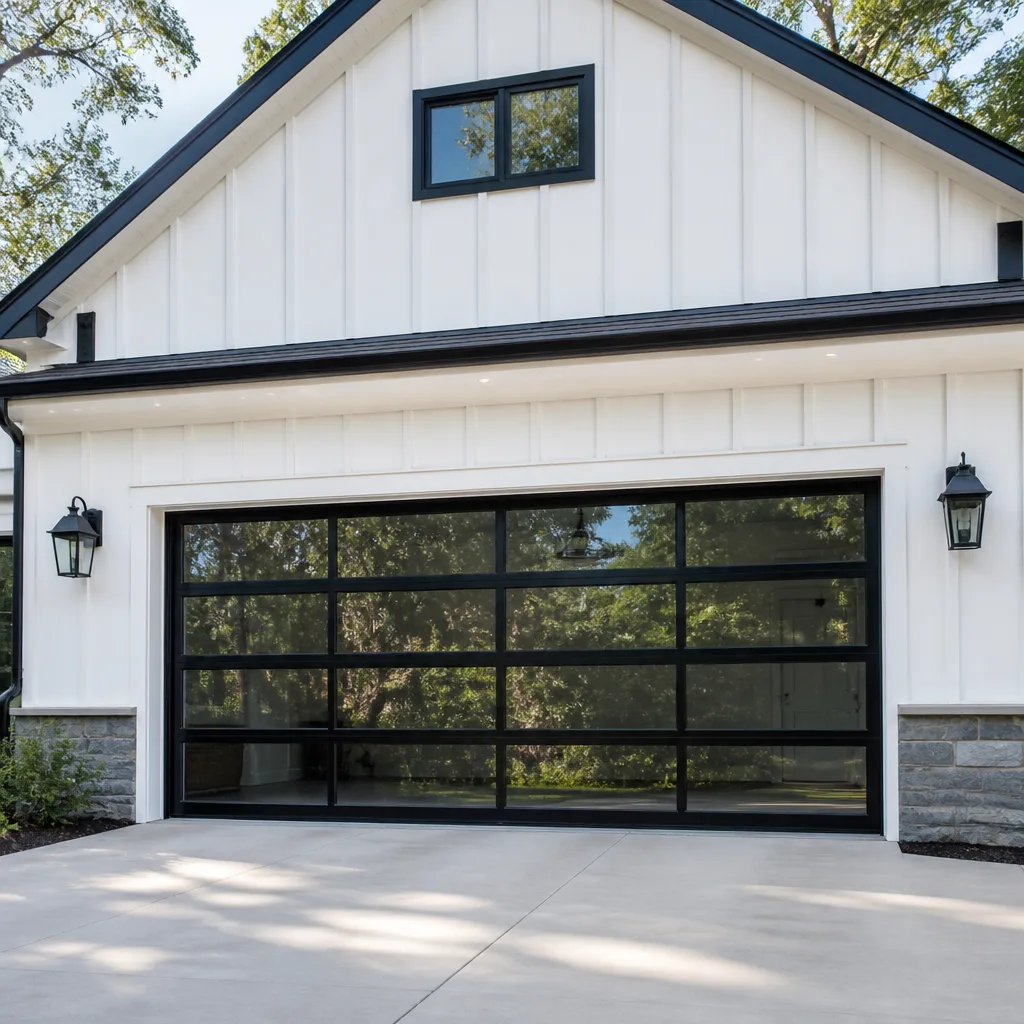 Full-view glass
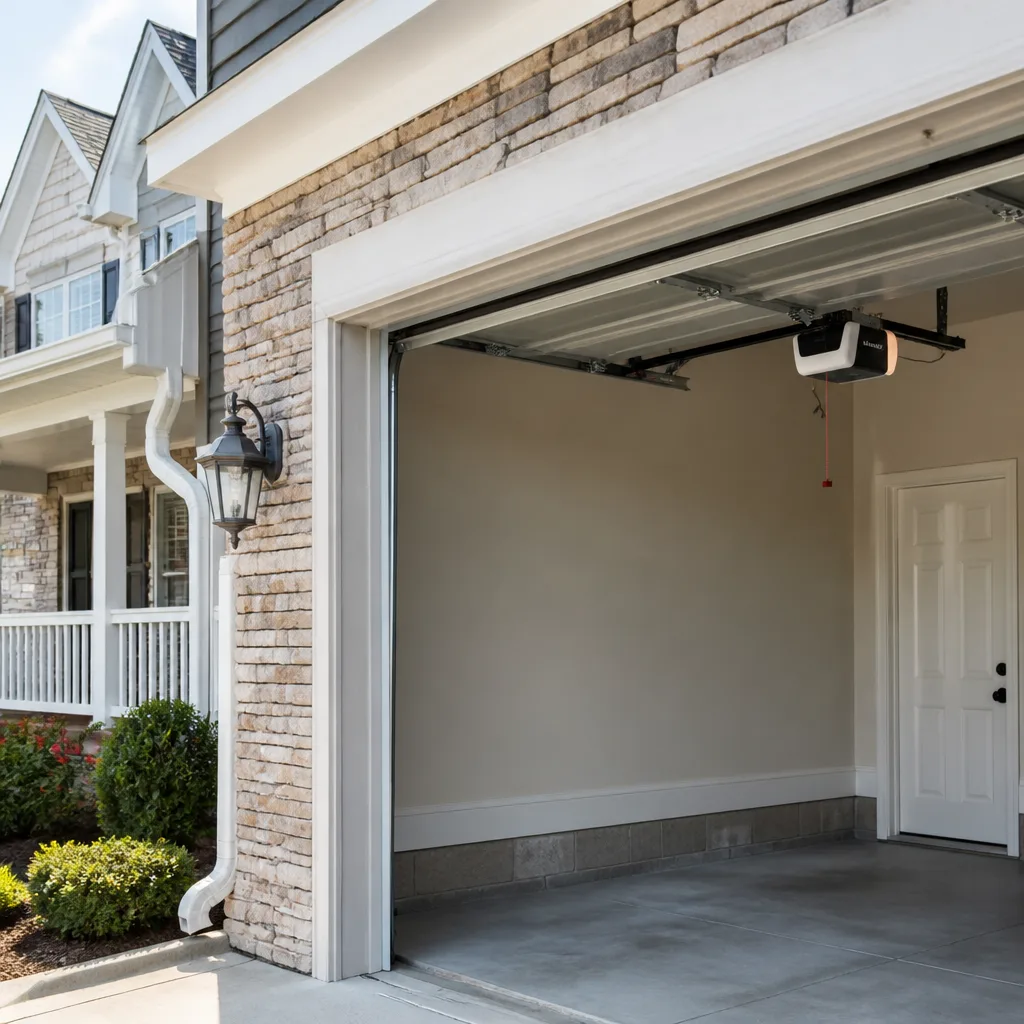 LiftMaster openers
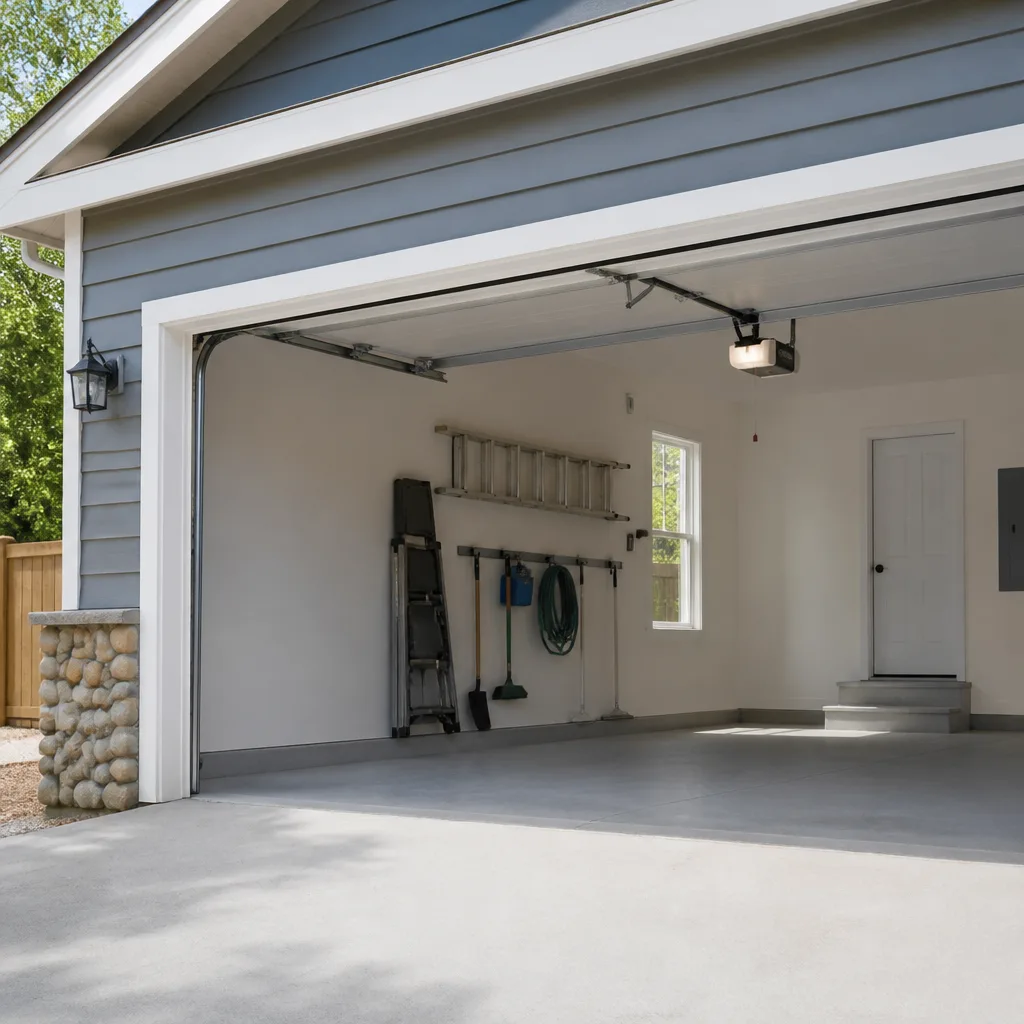 Chamberlain openers
Full 25-point door and opener safety check with every visit - springs, cables, rollers, tracks, and your LiftMaster or Chamberlain opener included
You get a price before we start. It does not change when the pro arrives.
Get your free estimateGarage Door Repair Maintenance Checklist for Kendall Homeowners
The number-one source of premature spring failure in South Florida isn’t overuse. It’s the micro-corrosion that starts inside the coil when humid, salt-laden air cycles through a garage that is never really closed to the outside. Most maintenance checklists you’ll find online were written for a four-season climate, so they skip the exact checks that prevent the failures we see most often on Kendall doors. This guide is built backward from those failures: corrosion at the springs and bottom brackets, tracks that shift in the humidity, hurricane hardware that fatigues quietly between storms, and openers that work twice as hard during the rainy season. Read it once, then put the schedule at the end on your calendar.
Quick Answer
A garage door maintenance checklist for Kendall should focus on corrosion, humidity, and heat rather than cold-weather wear. Check torsion springs and bottom brackets for rust monthly, lubricate with a high-temp product that won’t gum above 90°F, test hurricane reinforcement after storm season, and have a trained technician inspect springs, cables, and balance once a year. The checklist below maps every task to the local seasonal pattern, not a generic calendar.
Styles & brands we work with
- Raised-panel steel
- Carriage house
- Modern flush
- Full-view glass
- LiftMaster openers
- Chamberlain openers
Table of Contents
- Why a Kendall Checklist Is Different
- Corrosion Checkpoints: Springs, Brackets, and Cable Drums
- Lubrication That Survives Kendall Heat
- Testing Hurricane Hardware After Storm Season
- Opener Logic Board and Sensor Checks
- Tracks, Rollers, and Humidity Drift
- The Kendall Seasonal Schedule
- What You Should Never Adjust Yourself
Why a Kendall Checklist Is Different
Garage door failure in Kendall follows a pattern set by the climate, not the calendar year. Doors here live through months of high humidity, summer heat that pushes a metal door skin well past the air temperature, and a storm season that stresses every brace and anchor. None of that shows up on a northern checklist built around ice, snow load, and freeze damage.
The practical difference is where failures start. In colder markets, doors fail from cold contraction and road salt. Here, the early warning signs are rust blooms on unpainted hardware, tracks that creep out of plumb as wooden framing moves with moisture, and lubricant that turns tacky in the heat and traps dust. Springs don’t usually announce themselves. Micro-corrosion weakens the coil from the inside, and the first symptom a homeowner notices is often a loud bang from the garage.
There’s a second local factor: daily use. In a neighborhood like Glenvar Heights or Sunset, the garage door is often the main entry to the house, so it cycles far more than a door in a colder city where people come in through a front door. More cycles plus humidity plus heat adds up faster than most manufacturers’ generic wear guidance assumes.
Our angle here is simple. A checklist should match the door, the opener, and the conditions. If you know your door is a Wayne Dalton or an Amarr unit and you understand how the local weather treats it, the maintenance list changes. That’s the list below.
Corrosion Checkpoints: Springs, Brackets, and Cable Drums
Corrosion is the quiet cause behind most of the spring and cable failures we handle in Kendall. Salt-laden air cycles into an uninsulated garage all year, and any bare metal in the door system is where it settles first. Inspecting with a flashlight every month catches damage before it becomes a breakdown.
1. Torsion Springs
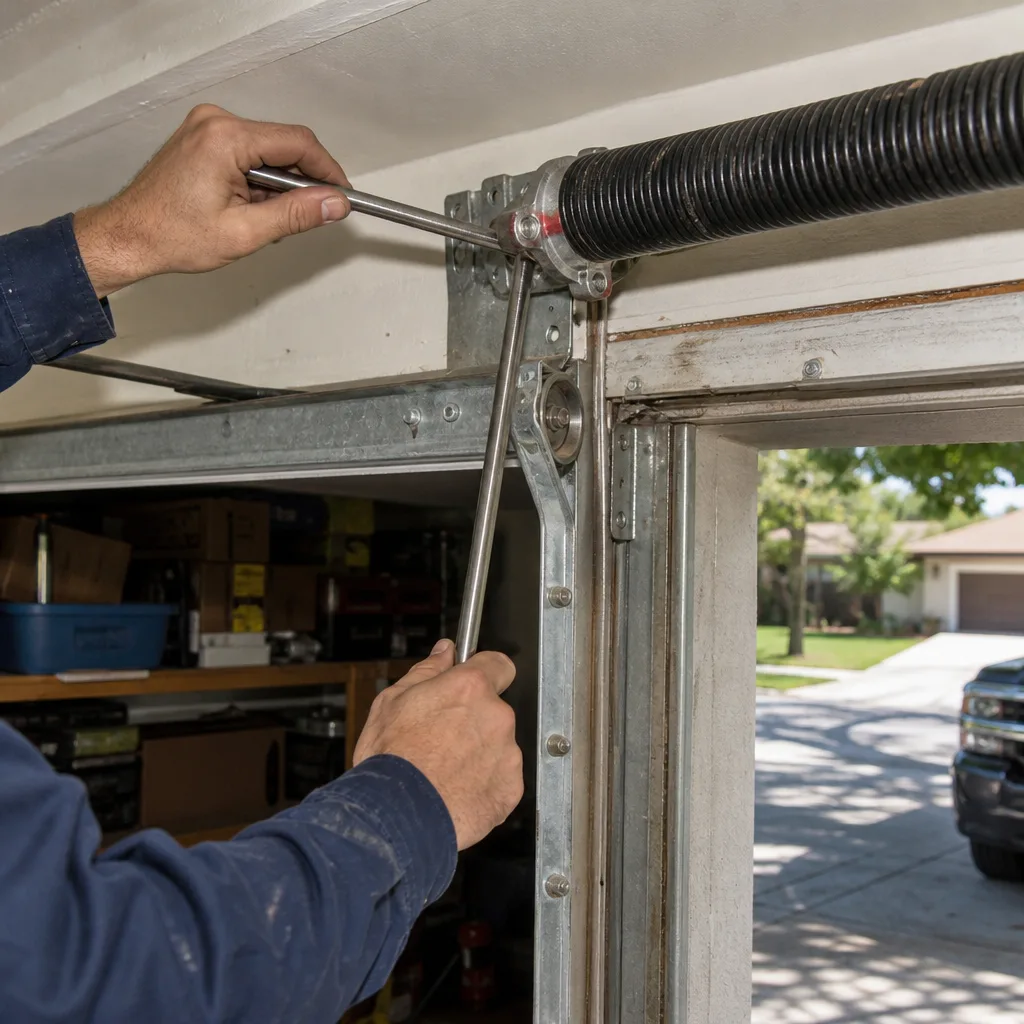
Look along the full length of the coil on a torsion system, especially on a door that faces the street. Rust reads as orange-brown bloom or powdery residue, usually starting near the ends. That’s where coil failure often begins. Never touch a wound spring to test it. A visual check only.
2. Bottom Brackets
Bottom brackets carry the cable under real tension. Check for rust around the bolt holes and along the bracket edges. The bracket is not a part to adjust or loosen yourself; the cable running through it is under load and can cause serious injury. Photograph it and call a technician if you see metal flaking.
3. Cable Drums
Cable drums sit at each end of the torsion shaft. Rust on the drum edge or fraying of the cable wrap is a signal, not a “wait and see” item. Frayed cable should be treated as an emergency. It can snap without warning.
4. Hinges and Roller Stems
Hinges and roller stems on the door panels collect rust where they attach to the door skin. A light coat of lubricant on the pivot points slows it. Never use a penetrating oil alone here; it evaporates quickly in the heat.
5. Fasteners and Anchor Plates
Check every bolt on the brackets that hold the track and the torsion shaft. Rusted bolts that haven’t moved in years can shear when the door cycles under load. A technician can check torque and replace fasteners on a routine visit.
Once a year, have a trained tech check the springs and cables directly. You can see rust from the outside, but you can’t measure the internal wear. That’s exactly what garage door spring repair visits are for. If the springs are checked and replaced before they fail, the door stays working and the risk drops.
Lubrication That Survives Kendall Heat
Most garage door lubricant recommendations were written for garages that never top 80°F. Above 90°F, some common products lose viscosity, gum up, and start collecting grit instead of reducing friction. Picking the right product matters as much as applying it.
What to Avoid in Kendall Heat
- Thin spray lubricants and penetrating oils. They evaporate or drip off quickly, so they need reapplication and won’t hold up across a summer.
- General multi-purpose grease. It attracts dust, turns tacky, and can gum roller bearings so they stop rolling and start dragging.
- Any product with a low drip point. If the label doesn’t list temperature range, don’t assume it’s rated for high heat.
What Works Here
- A silicone-based or lithium-complex lubricant rated for high temperatures. These hold up across the summer and don’t attract grit the way grease does.
- Dry-film or PTFE-based spray on tracks. It leaves a thin coating rather than a wet film that collects dust.
- White lithium grease on hinge pivots, sparingly. A thin film is enough; too much traps debris.
How to Lubricate the Door System
- Close the door and turn off the opener power at the wall controller or breaker.
- Wipe rust and debris from each hinge and roller stem with a dry cloth.
- Apply a small amount of lubricant to each hinge pivot and roller stem. Don’t over-apply.
- Spray the inside of the vertical and horizontal tracks lightly with a dry-film product.
- Wipe the torsion spring with a thin film to slow surface rust, but never loosen or adjust it.
- Cycle the door once with the opener on, listening for grinding or dragging.
Lubricate every three to four months in Kendall. In the hottest stretch of summer, a light monthly wipe-down on the hinges gets the best result. This small step does more to prevent failure than any other DIY task on this checklist.
Testing Hurricane Hardware After Storm Season
Hurricane reinforcement is tested most often before storms, and neglected after them. That’s backward. The stress on brace kits comes from wind load and from the back-and-forth of a door pushing against the reinforcement during a storm. The fatigue shows up after the season has passed, not before it starts.
What to Check
- Vertical track reinforcement. Look for warped or bent reinforcement pieces along the vertical track. Any bow means the reinforcement isn’t doing its job.
- Brace kit anchor bolts. Check that anchor bolts into the header or framing are tight and free of rust. Loose anchors are the most common post-storm issue.
- Center posts and brackets. The door’s center structural brackets take the highest stress during a wind event. Look for cracked welds or bent brackets.
- Door panel alignment. If the panels are no longer flush at the seams, the door may have shifted, and the brace hardware may not be lined up correctly.
How to Test the Reinforcement System
- With the door closed, check each anchor bolt by hand. It should be firm with no movement.
- Run the door up and down once. Listen for popping or scraping; either can indicate the reinforcement is binding.
- Look down the vertical track from eye level. It should be straight and vertical, not bowed.
- Check the brace kit at the top with a flashlight for cracks or rust on the bracket and anchor plate.
- Record what you see, and don’t tighten or adjust the anchor bolts yourself. Over-torqueing or moving an anchor can pull it out of the framing.
Anchors and reinforcement are typically attached through the framing, and setting them correctly takes a feel for the structure. If the door is a specific brand like Wayne Dalton or Amarr, the brace kit’s anchor points are brand-specific. That’s the sort of system familiarity our technicians bring. When we arrive we’re not learning your brace kit from a manual; we’re checking the same hardware we handle on Kendall doors routinely.
Have the reinforcement system serviced once a year, ideally in the weeks after the storm season ends. Routine garage door repair checks include this hardware, so nothing gets skipped.
Opener Logic Board and Sensor Checks
A garage door in Kendall cycles more than its northern equivalent, and the biggest driver isn’t car traffic. It’s the rain. When the afternoon storms roll through, homeowners park inside more, and the door opens and closes through small daily rain cycles all summer. The opener’s logic board, safety sensors, and drive hardware all wear faster as a result.
Opener Logic Board Checks
- Erratic behavior. If the door stops mid-travel, reverses without reason, or won’t respond to the remote, the logic board may have a fault.
- Corrosion on the board terminals. Open the light cover and look at the board for green or white crusting on the wire terminals.
- Repeated light flashing on the opener head. This is a diagnostic code. Check the manual for the sequence.
Sensor Checks
- Alignment. The two sensors at the bottom of the door should face directly at each other with clean lenses.
- Indicator lights. A solid light on each sensor means the beam is receiving. A flickering or off light means the beam is interrupted.
- Amber vs. green. Follow the opener manual for the exact color order. Don’t swap the sensor wires.
A Monthly Opener Test
- Close the door, then place a box in the middle of the opening.
- Press the close button. The door should stop and reverse.
- Remove the box, then open and close normally; listen for a change in sound.
- Press the wall control and the remote separately. Both should work.
- Test the battery backup if the opener has one. The door should open at reduced speed on battery.
One test is enough for a month’s worth of peace of mind. For more involved work, garage door opener repair puts the whole opener on a technician’s bench, brand by brand. We know the logic boards, sensor wiring, and drive systems on LiftMaster and Chamberlain units, and on legacy systems like Craftsman and Raynor. When your opener starts misbehaving, the first step is knowing what you’re dealing with.
Tracks, Rollers, and Humidity Drift
Vertical tracks lose alignment in Kendall more often than in dry climates. The wooden or concrete framing on a garage moves with annual humidity changes, and tracks that were plumb in a dry week will drift in a wet one. Small drift is normal. Visible bows, or a track that is out of plumb, cause the rollers to bind.
Monthly Visual Check
- Look up each vertical track from door level. The track should be straight and vertical. A visible bow means the rollers are dragging.
- Check the horizontal track. Fasteners on the horizontal track often loosen in the heat. Loose bolts are visible; torque them only if you know the weight the door can bear.
- Inspect the rollers. Nylon rollers roll quietly and last longer in humidity. Steel rollers can rust and start to grind.
- Check the door panels. A warped panel from repeated humidity swings can pull the track out of alignment over time.
What a Technician Adjusts
A technician checks plumb on the vertical track with a level, re-torques fasteners to spec, and confirms the rollers are seated correctly. Tracks that are out of alignment, or a door that is not balanced, need professional adjustment. Trying to force a track back into place yourself risks bending it or unseating the door.
Roller Replacement
Rollers are a low-cost replacement part, but the work is best done by a technician because the door has to be safely supported while the roller is changed. Nylon rollers are a common upgrade for Kendall doors because they hold up to the humidity and stay quiet. Ask about the roller type when your door is inspected.
The Kendall Seasonal Schedule
A four-season calendar doesn’t fit this climate. Build the schedule around the wet season, the hot stretch, and the storm season, and you’ll stay ahead of the failures that happen here.
Monthly Tasks
- Wipe hinges and roller stems with a dry cloth and apply a light high-temp lubricant.
- Inspect torsion springs and bottom brackets with a flashlight for rust.
- Check the opener’s safety reverse test with a box in the door’s path.
- Look down the vertical tracks for plumb, and check for loose fasteners.
Every Three to Four Months
- Lubricate the full system, including hinge pivots, roller stems, and tracks with a dry-film lubricant.
- Check the opener’s remote and wall controls, and replace weak batteries.
- Inspect the weatherstripping around the door edge for cracking.
- Check that anchor bolts for hurricane reinforcement are still tight.
Before Storm Season
- Test the full hurricane reinforcement system with a technician. Bolts, tracks, and braces.
- Confirm the opener’s battery backup is charged if it has one.
- Check the door balance. A door that won’t hold halfway has a spring problem and should be serviced.
After Storm Season
- Inspect the reinforcement for any shifted anchors or bent braces from the wind load. This is the most important post-season check.
- Look for rust quickly forming on unpainted hardware that saw more moisture during the heavy rain.
- Test the safety reverse on the opener again after the heavy-use season.
- Schedule a full annual service with a Kendall Garage Door Repair Co technician.
Annually
- Full spring and cable inspection by a trained technician.
- Balance test with the door disconnected from the opener.
- Close and force-setting check on the opener.
- Roller and hinge replacement as wear dictates.
Write the schedule on a garage wall calendar. Monthly checks take five minutes; quarterly service is a half hour. A yearly technician visit is the backstop.
What You Should Never Adjust Yourself
The parts of a garage door that matter most for safety are also the parts under the highest tension. Torsion springs, extension springs, cables, bottom brackets, and cable drums are all under load that can cause serious injury if released. There’s no safe DIY approach to any of it.
- Torsion springs. Winding or unwinding a spring is done with specific tools and requires knowing the load the door carries. Don’t touch a spring that is under tension.
- Cables and drums. Cables are under extreme tension and can snap with no warning. Frayed cable is a hard stop, not a “do it later.”
- Bottom brackets. A loosened bottom bracket can release the cable under load. Adjusting or removing one yourself is genuinely dangerous.
- Track alignment. Forcing a track back into plumb can bend it, unseat rollers, or drop the door.
- Opener electrical work. Sensor wiring and power wiring are best left to a technician.
What you can safely do is check with a flashlight, note what you see, and call a professional. Our technicians have up to 10 years of experience and arrive knowing exactly what’s wrong. For spring work specifically, the risks are high enough that we call it out plainly. The right answer is a trained technician.
Common Mistakes to Avoid
- Skipping spring inspection because “it still works.” A spring with rust on it can fail at any moment. Without looking, you don’t know the wear.
- Using a light spray lubricant in summer. It evaporates in the heat and leaves the hinges dry, which is worse than leaving them alone.
- Testing hurricane reinforcement before storm season only. The stress is highest after the wind load. Checking again after the season catches fatigue from real wind events.
- Adjusting track alignment yourself. A minor bow that seems fixable can turn into a bent track or a door off its rollers, which is a much bigger job than the original adjustment.
- Ignoring the opener’s safety reverse test. The two sensors at the bottom save more damage than any other component. Test them monthly, and look for blinking indicator lights.
- Patching rust with paint without checking the source. Painting over corrosion on a bracket hides it from the next inspection. Address the cause first.
- Comparing Kendall service to an out-of-state benchmark. A northern parts and maintenance schedule is not the right one for a door facing the South Florida humid season. Ask the technician for the local schedule.
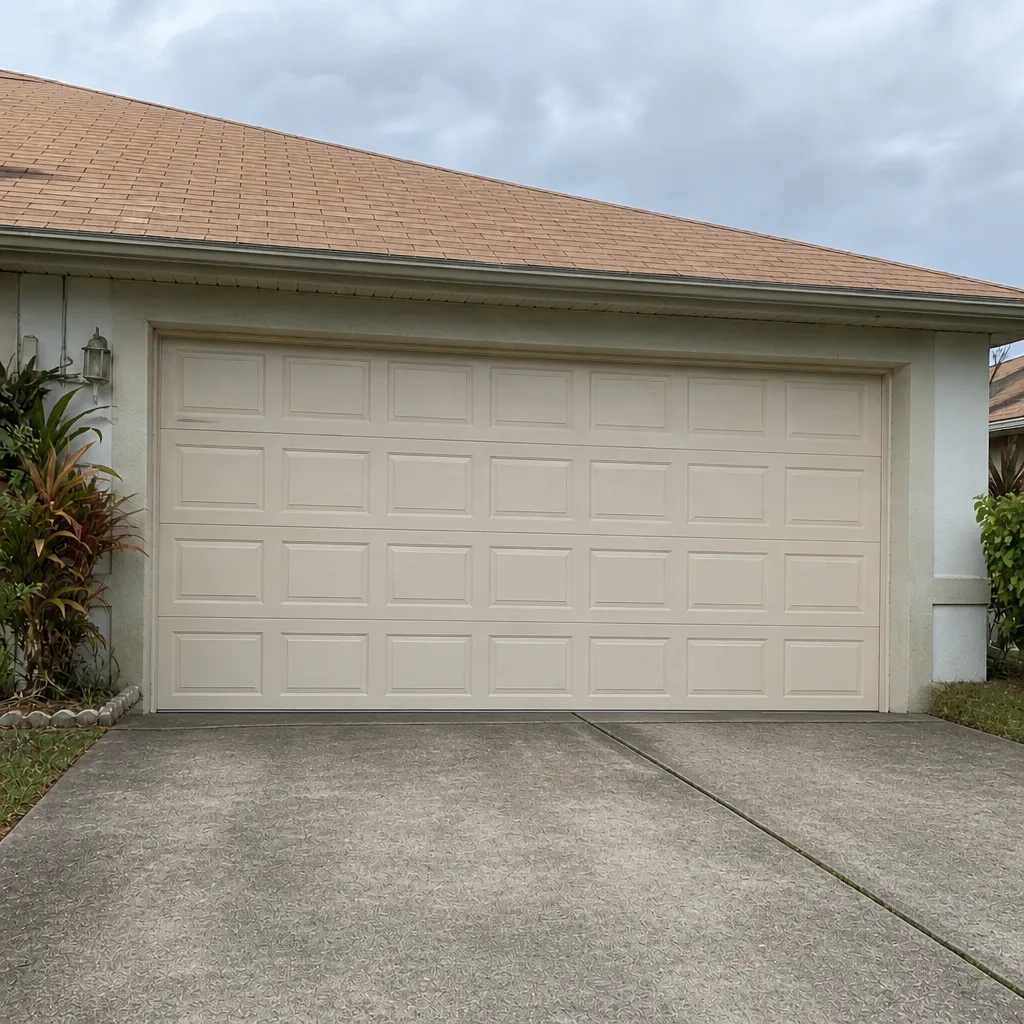
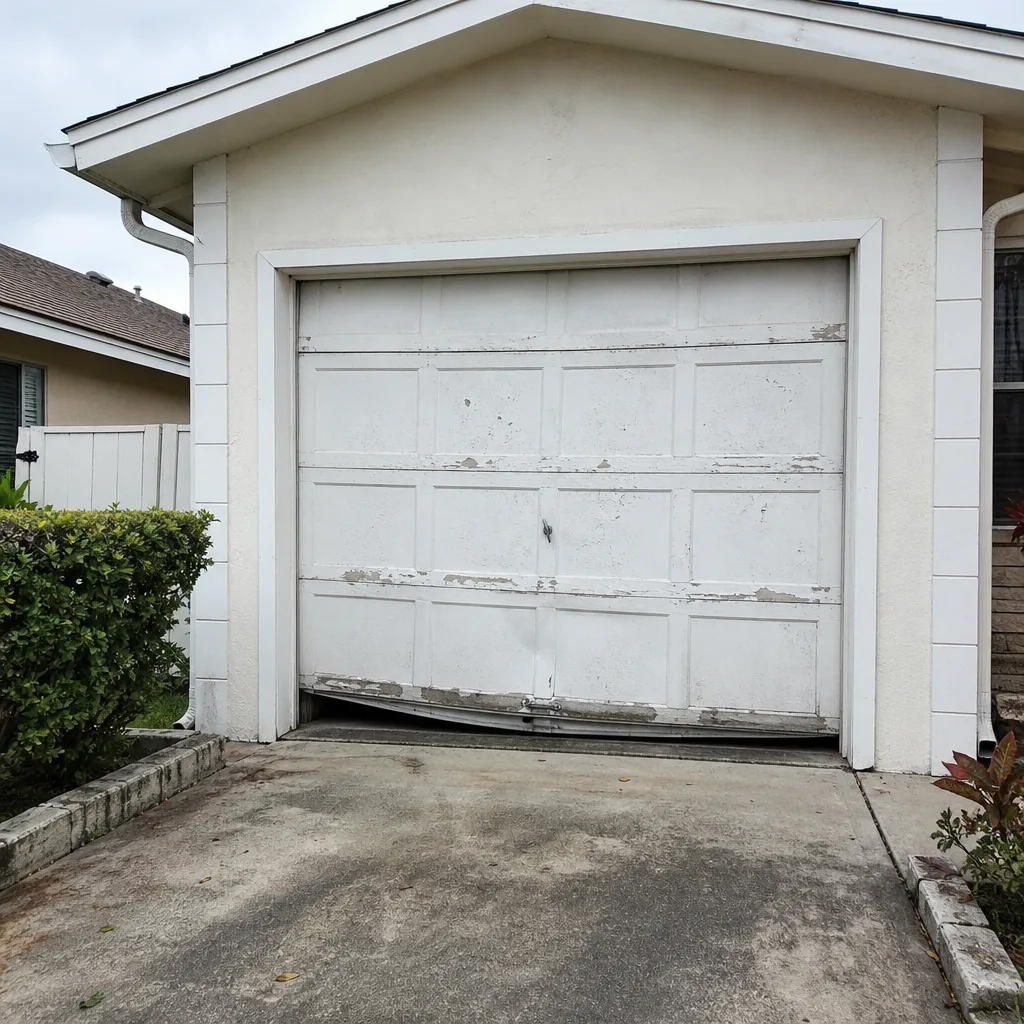
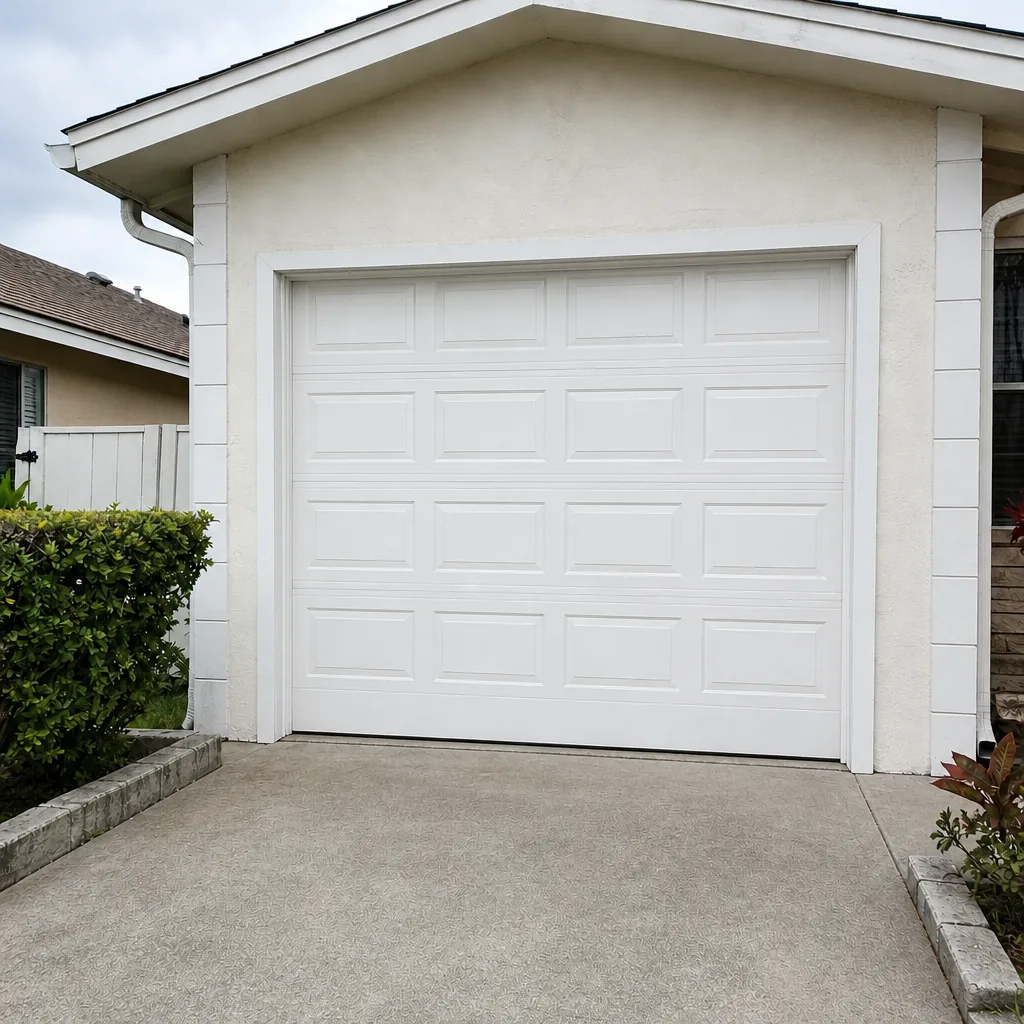
See the difference
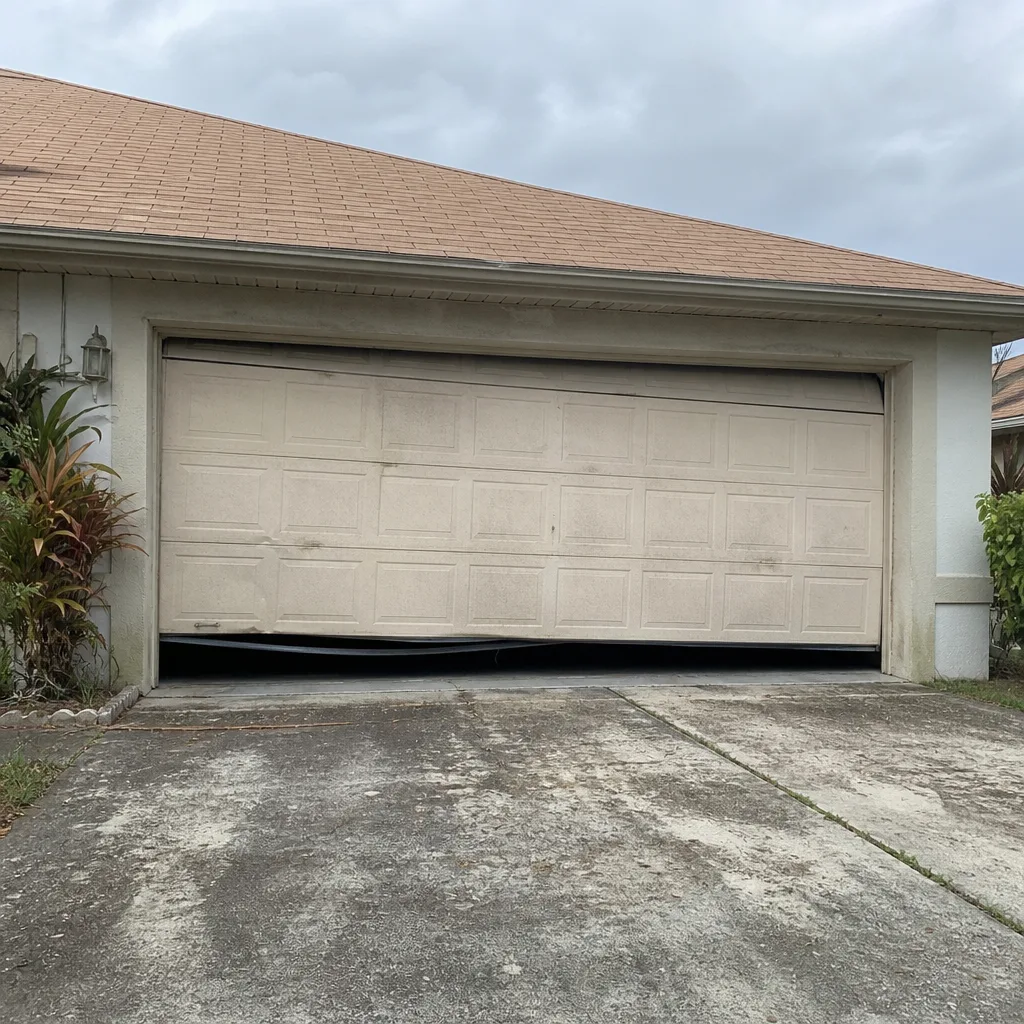 Before
 After
 Before
 After
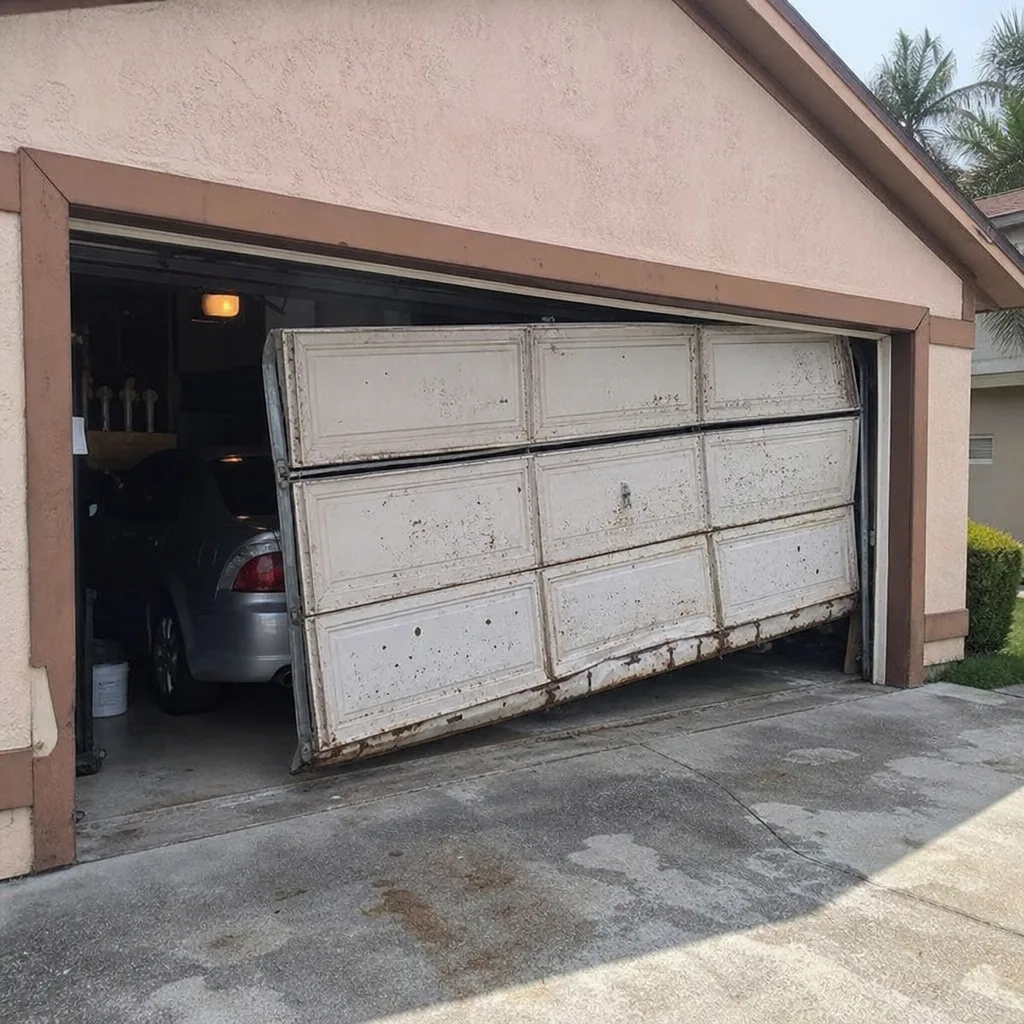 Before
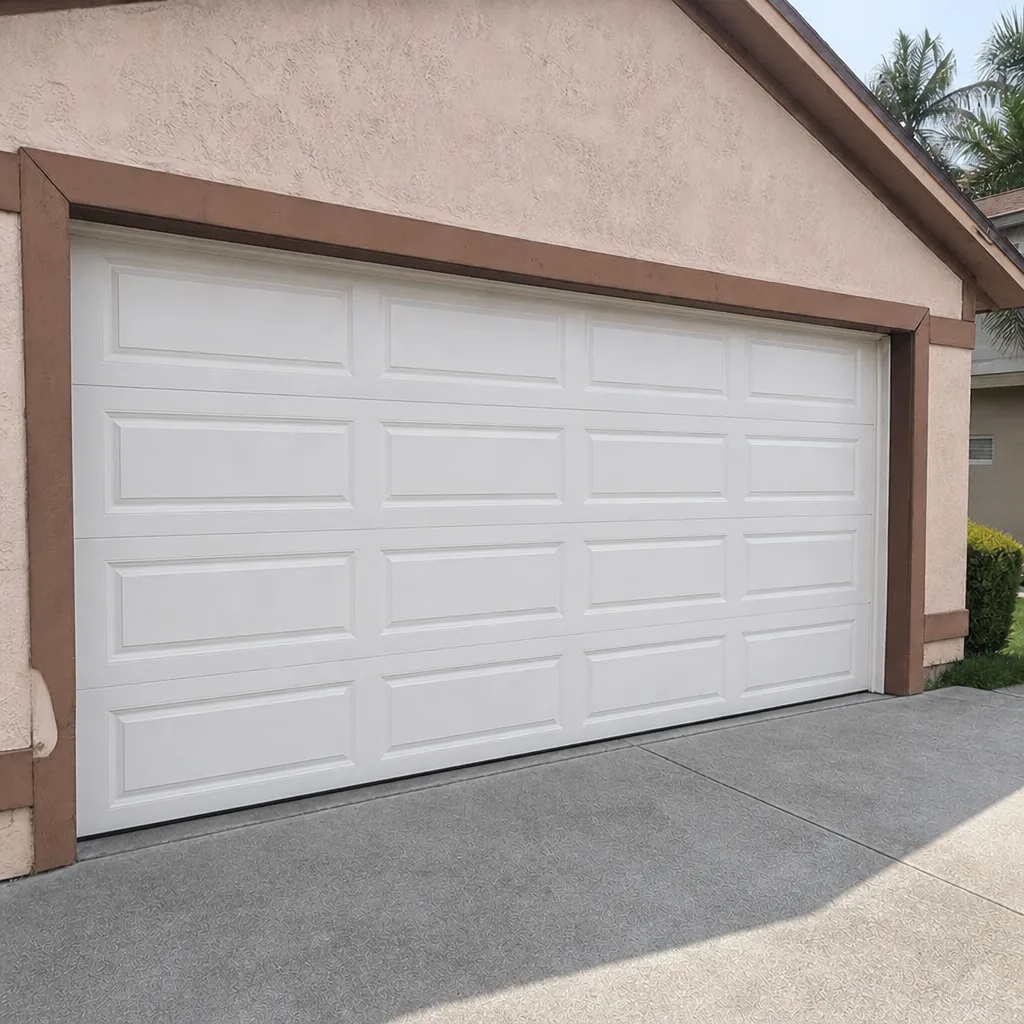 After
When to Call a Professional
Some tasks are simple DIY housekeeping. Others are time to call a trained technician. If the door has a loud bang, a visible rust bloom on a spring, a frayed cable, or a door that won’t stay balanced, call a professional. If the door won’t move at all, is off-track, or is stuck open, that is an emergency service situation and should be treated as urgent. If the opener stops responding to the remotes or starts reversing on its own, an opener diagnostic is the next step. For annual spring and cable inspections, schedule a technician visit before the busy storm season.
We answer 24/7. Fast dispatch from 7am to 7pm, Sunday through Friday. Estimates are free, and the price is set in writing before any work begins. Kendall Garage Door Repair Co offers free estimates in Kendall. Call (844) 484-9800.
Frequently Asked Questions
Monthly visual checks, lubricant application every three to four months, and a full professional inspection once a year is the right rhythm for Kendall homes. The yearly visit is the backstop that catches spring and cable wear before it turns into a failure. Call (844) 484-9800 to schedule a free estimate.
Micro-corrosion inside the torsion spring coil is the most common cause, driven by the salt-laden humid air cycling through a garage that’s never fully sealed. It’s not overuse. Rust blooms at the ends of the coil where moisture settles first, and that’s why the monthly visual check matters. Call (844) 484-9800 for a free estimate on spring work.
Yes, lubricating hinges, rollers, and tracks is a safe DIY task. Use a high-temp silicone or lithium-complex product rather than a thin spray oil or general-purpose grease, especially above 90°F. Never loosen or touch the springs themselves. Call (844) 484-9800 for a free estimate if you want a technician to walk the full system.
Test the anchor bolts and brace kit by hand for tightness and check that the vertical track reinforcement is straight, not bowed. The most important check is after storm season, not before it, because the fatigue shows up from the wind load. If any anchor is loose or a brace is bent, have a technician look at it. Call (844) 484-9800 for a free estimate.
We service the major residential brands including LiftMaster, Chamberlain, Genie, Clopay, Amarr, Wayne Dalton, Craftsman, and Raynor. Our technicians have up to 10 years of experience and arrive already familiar with the specific door and opener system. Call (844) 484-9800 for a free estimate.
If the door won’t move, is stuck open or closed, or has come off its track, stop and call for emergency service. Don’t try to force it manually, especially if it’s a spring or cable issue. We answer 24/7, and fast dispatch runs from 7am to 7pm, Sunday through Friday. Call (844) 484-9800.
The Bottom Line
Most garage door failures in Kendall aren’t caused by age or overuse. They start with corrosion, humidity, and heat, and they’re preventable with the right checklist. Monthly visual checks on springs and brackets, lubrication every few months with a high-temp product, hurricane hardware tested after storm season, and an annual technician visit will keep the door working and the household safe. Use the schedule above and match it to the local climate. If you want a technician who already knows your door, call Kendall Garage Door Repair Co. Estimates are free, the price is written before work starts, and the right fix comes first time, every time. Call (844) 484-9800.
Written by the team at Kendall Garage Door Repair Co.